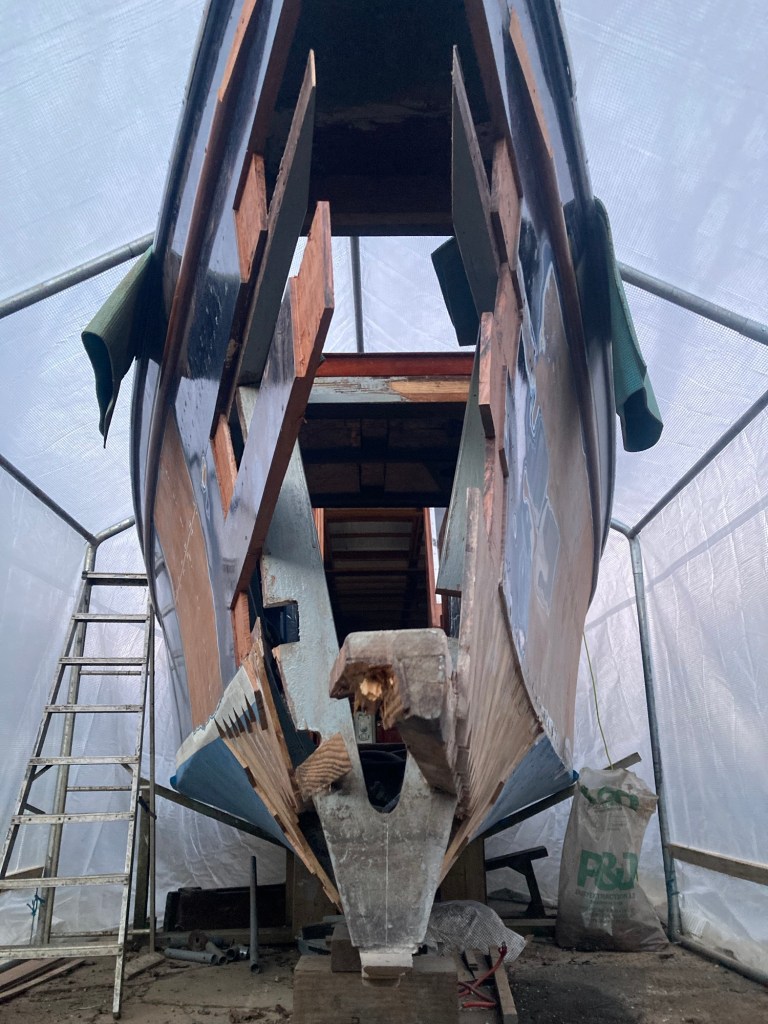
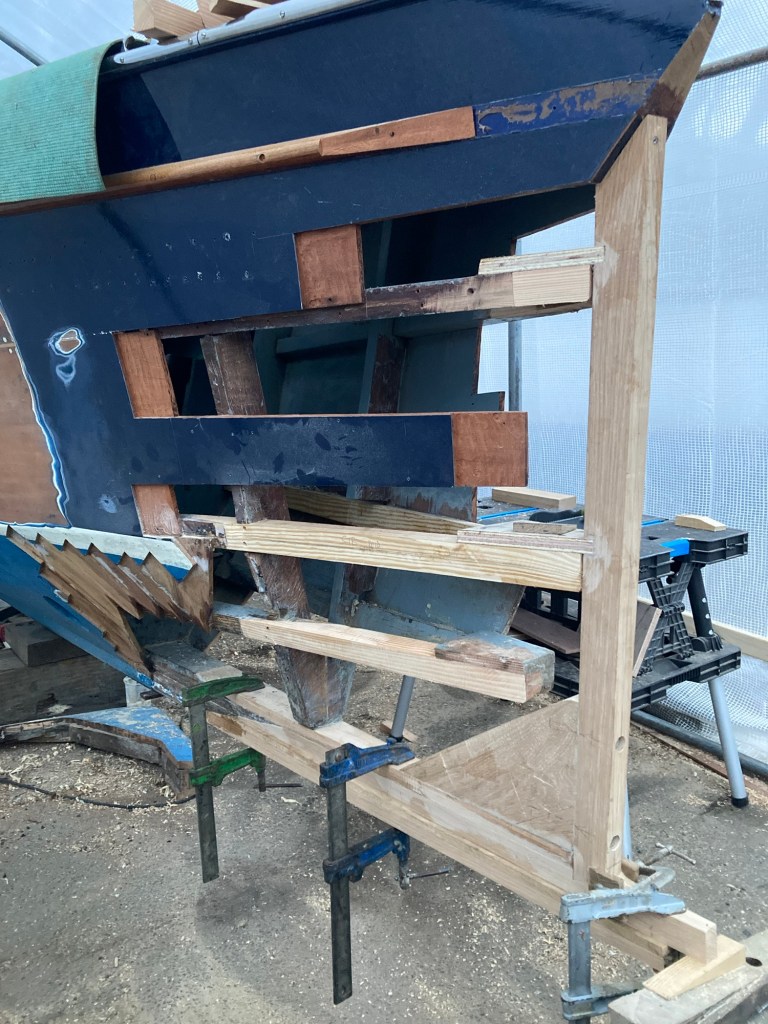
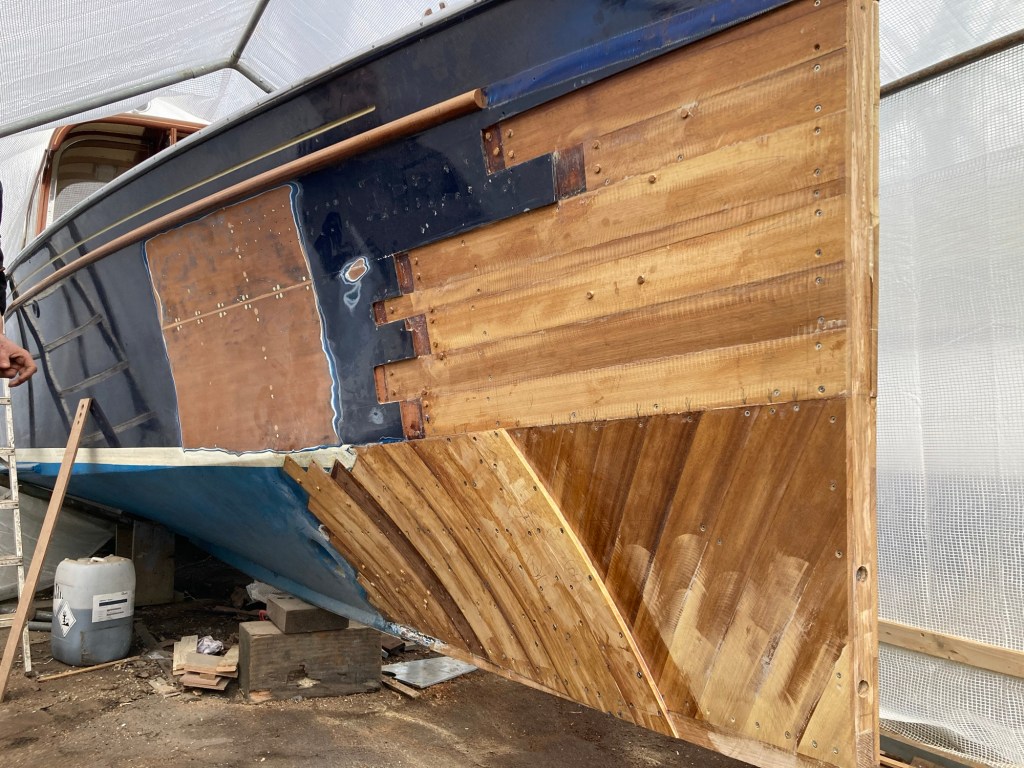
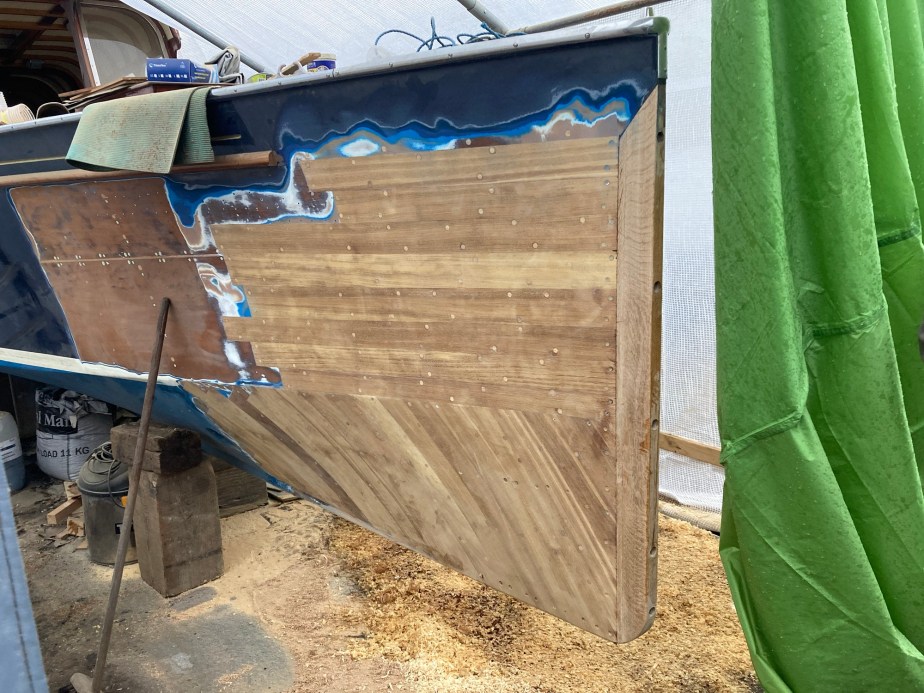
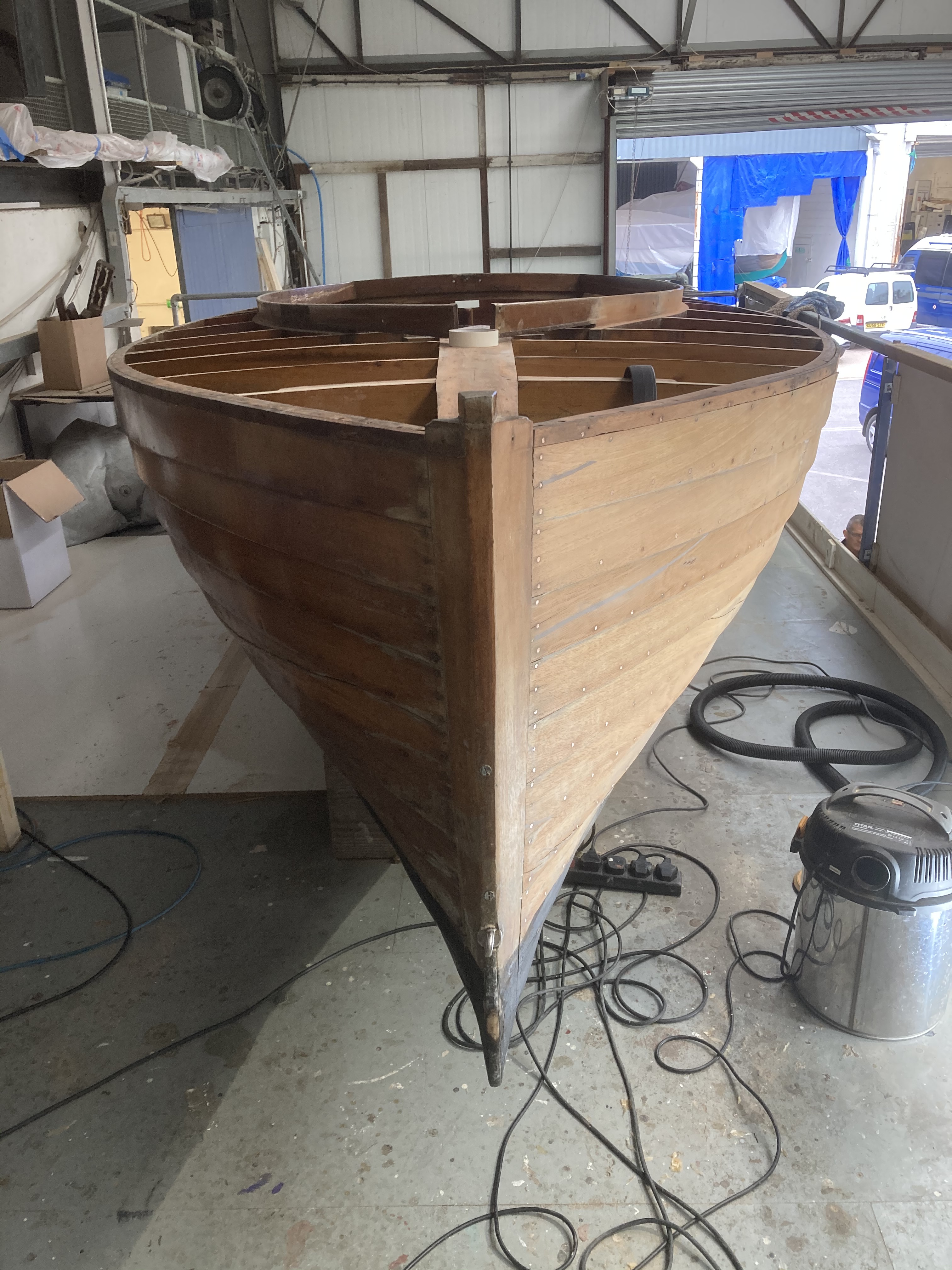
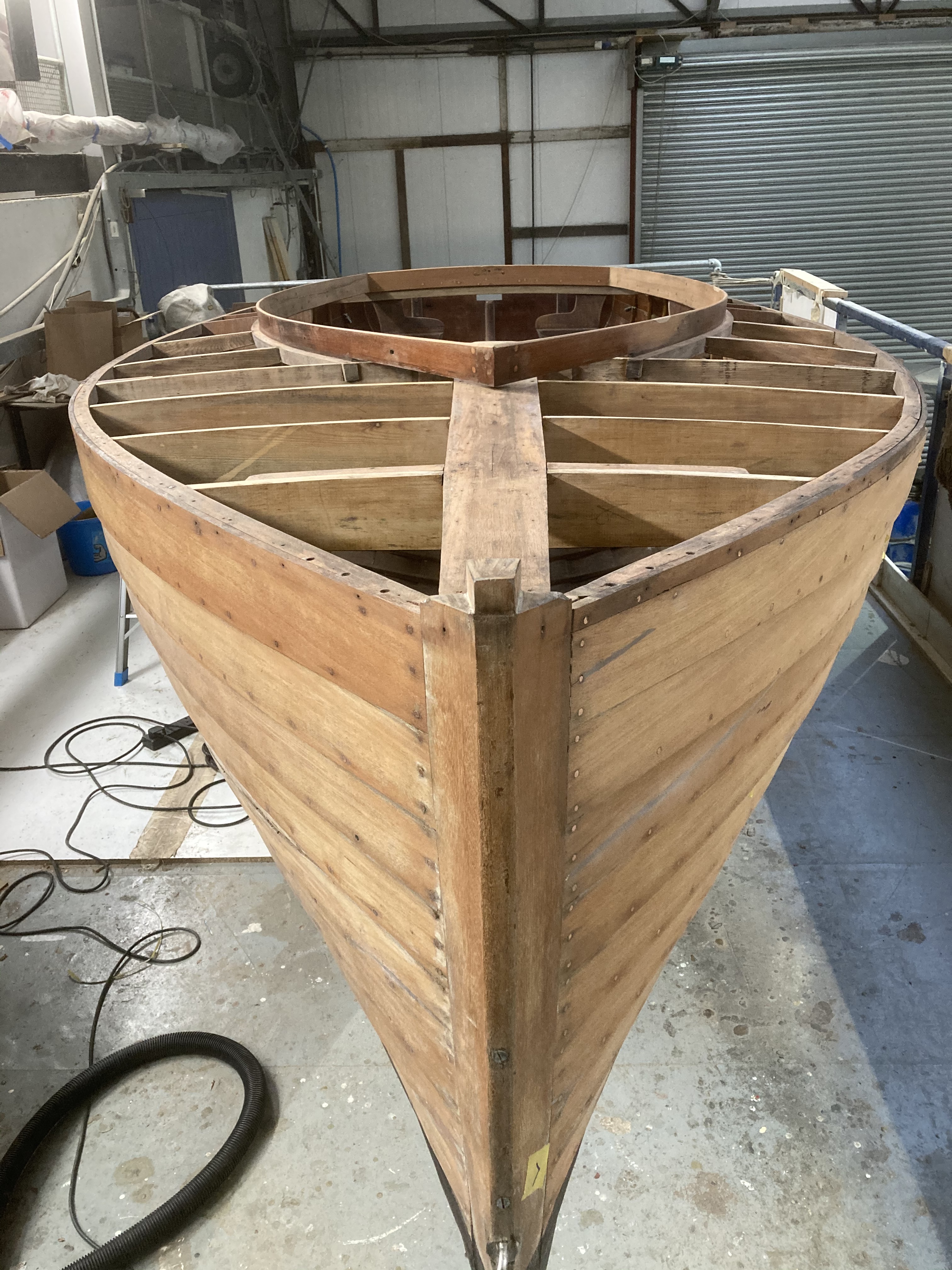
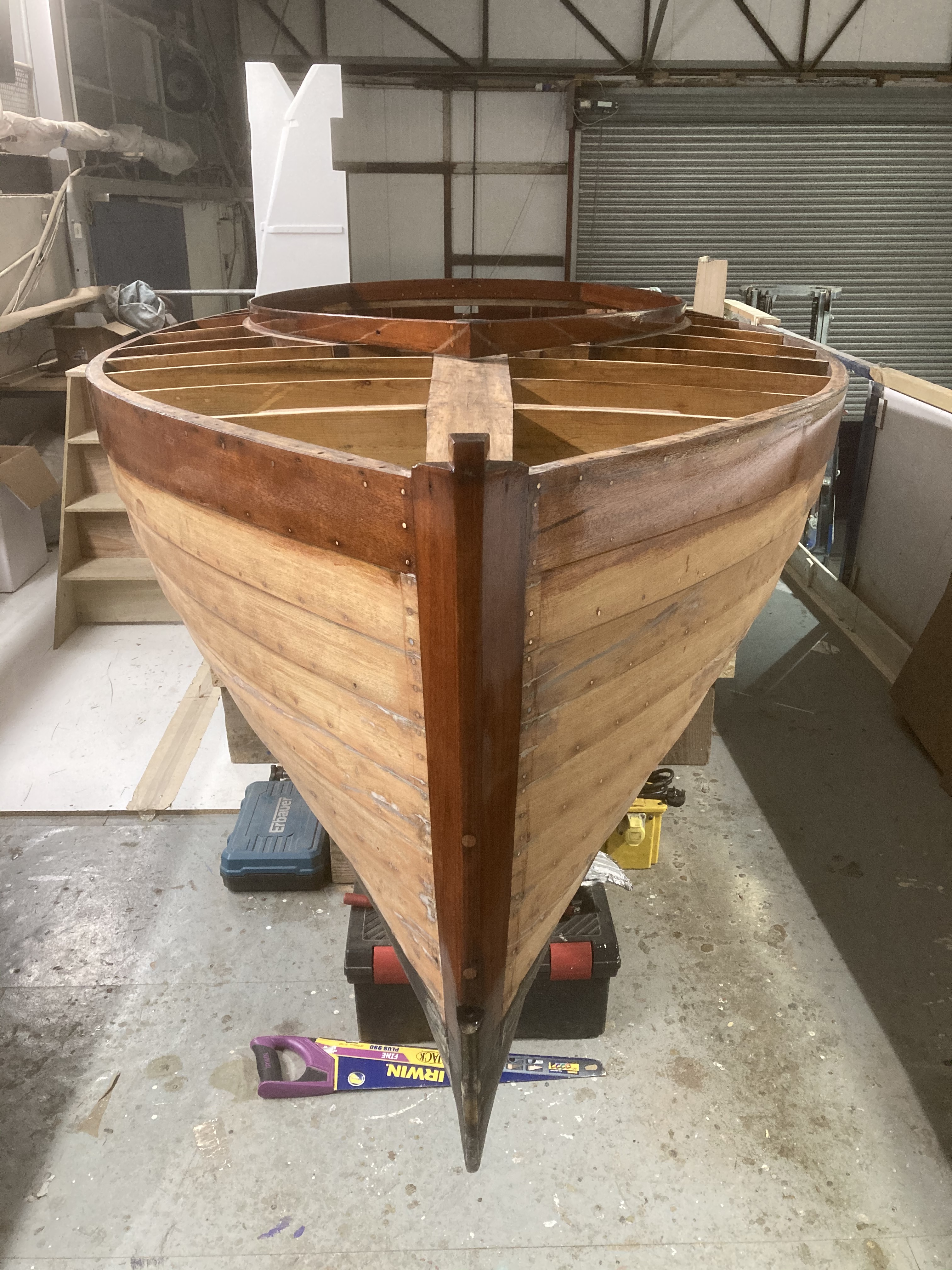
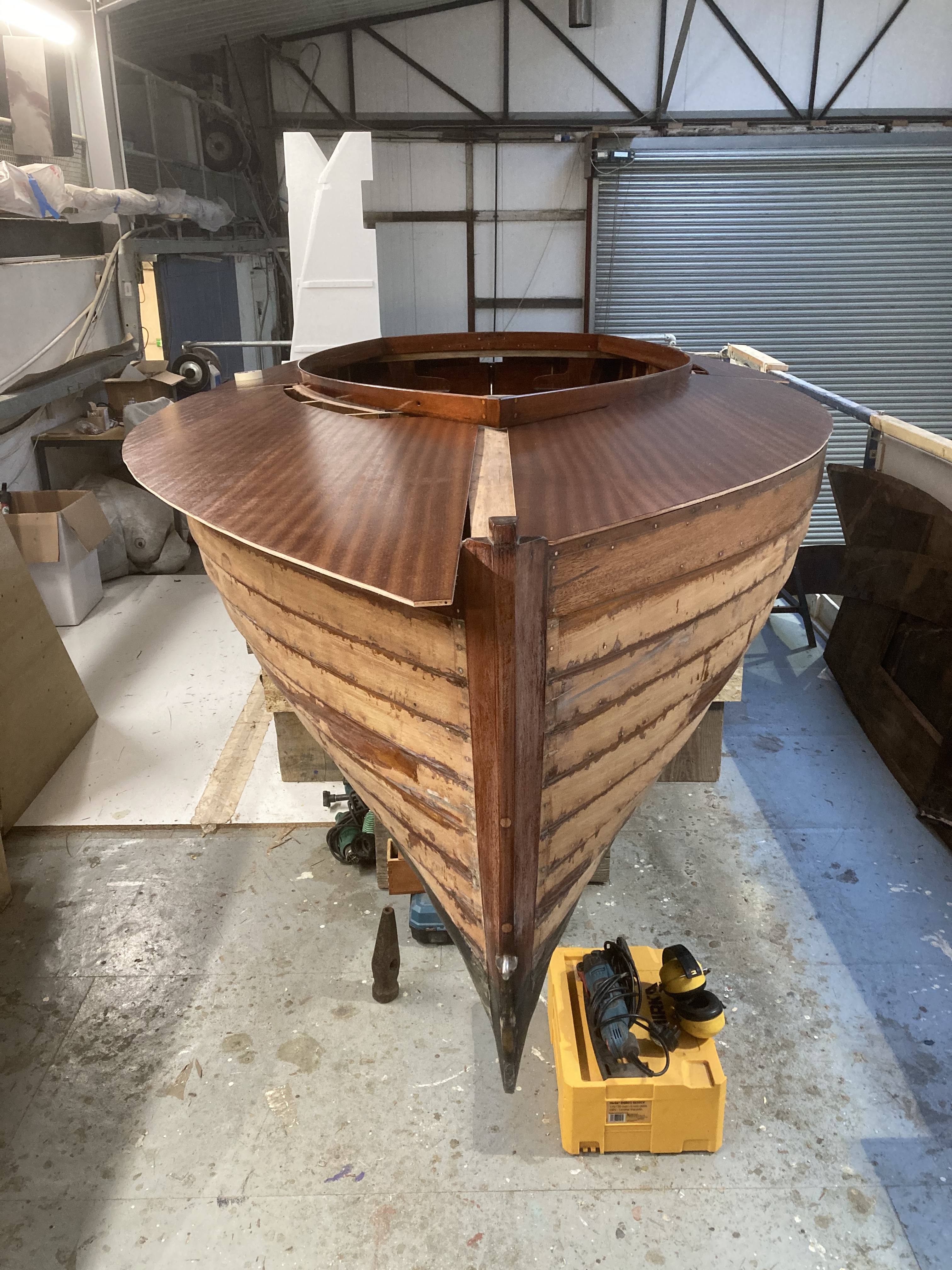
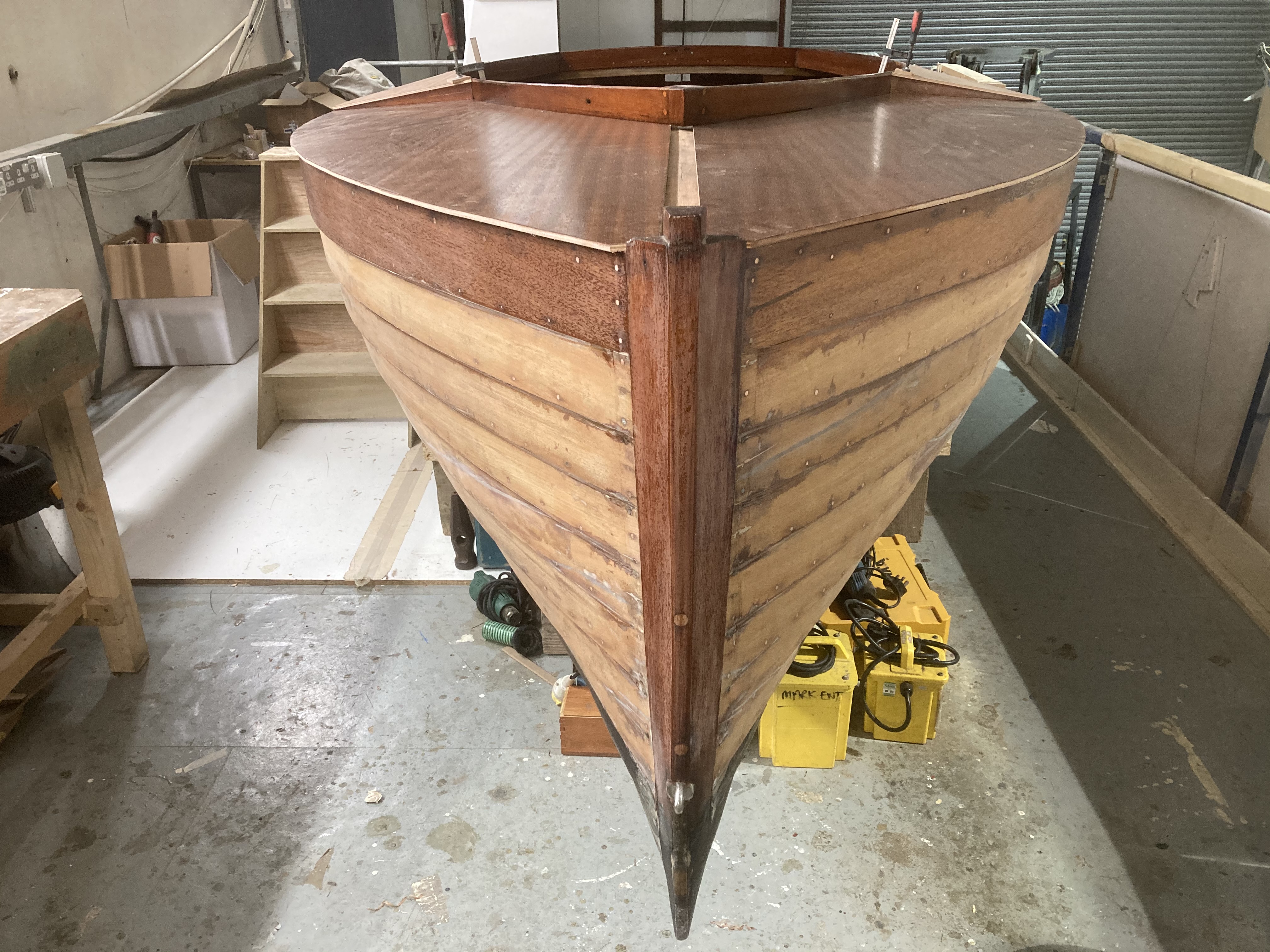
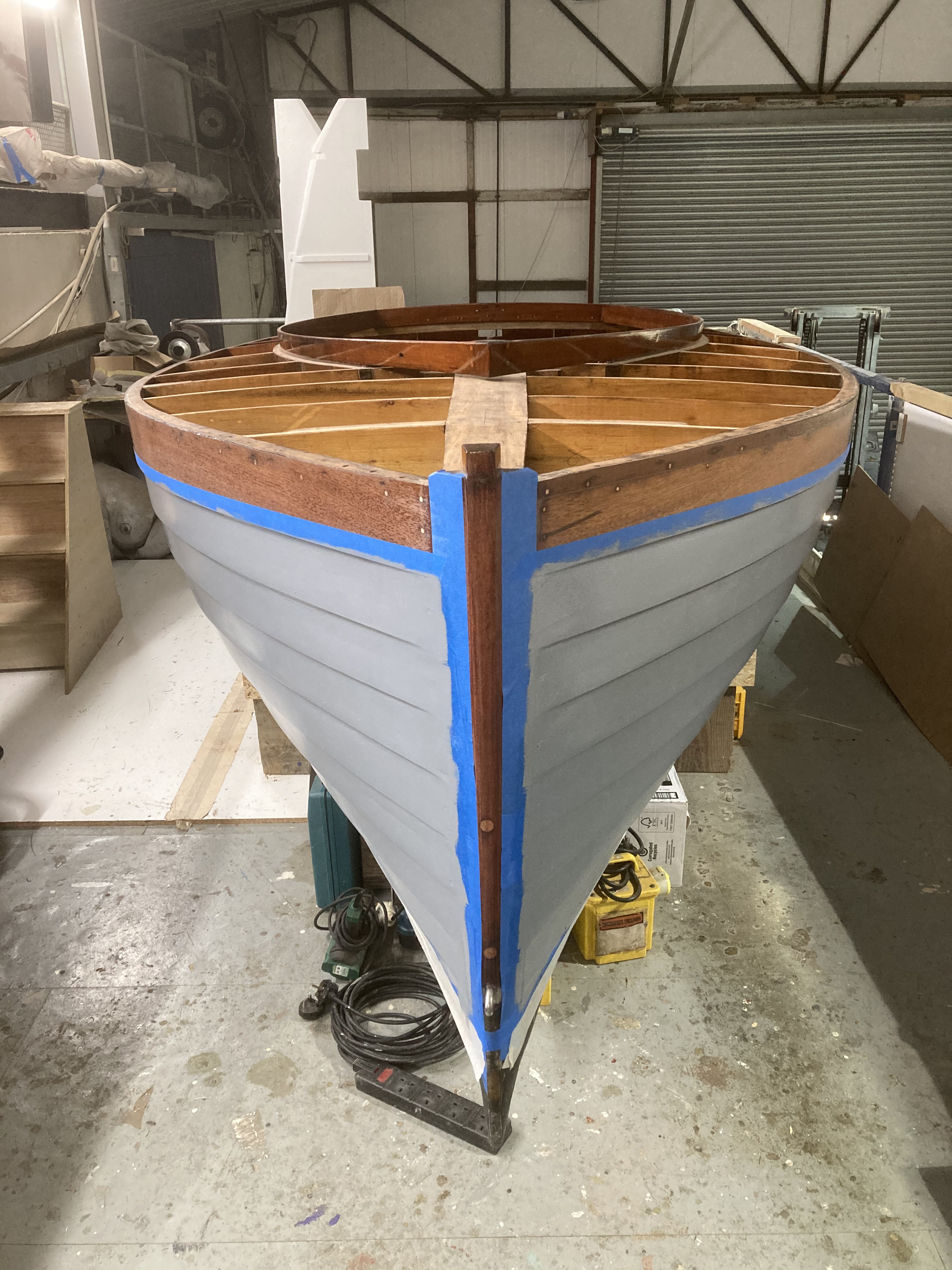
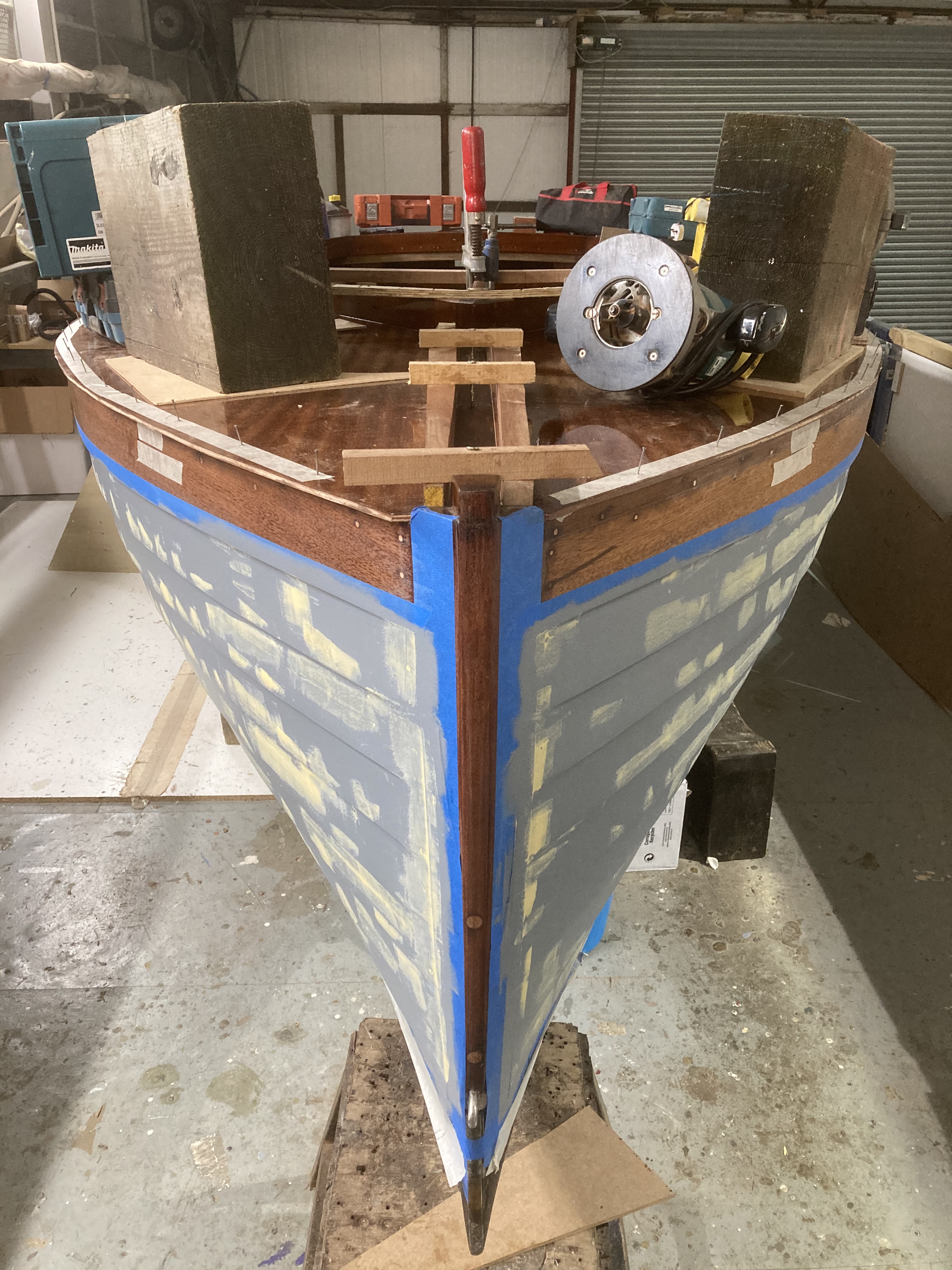
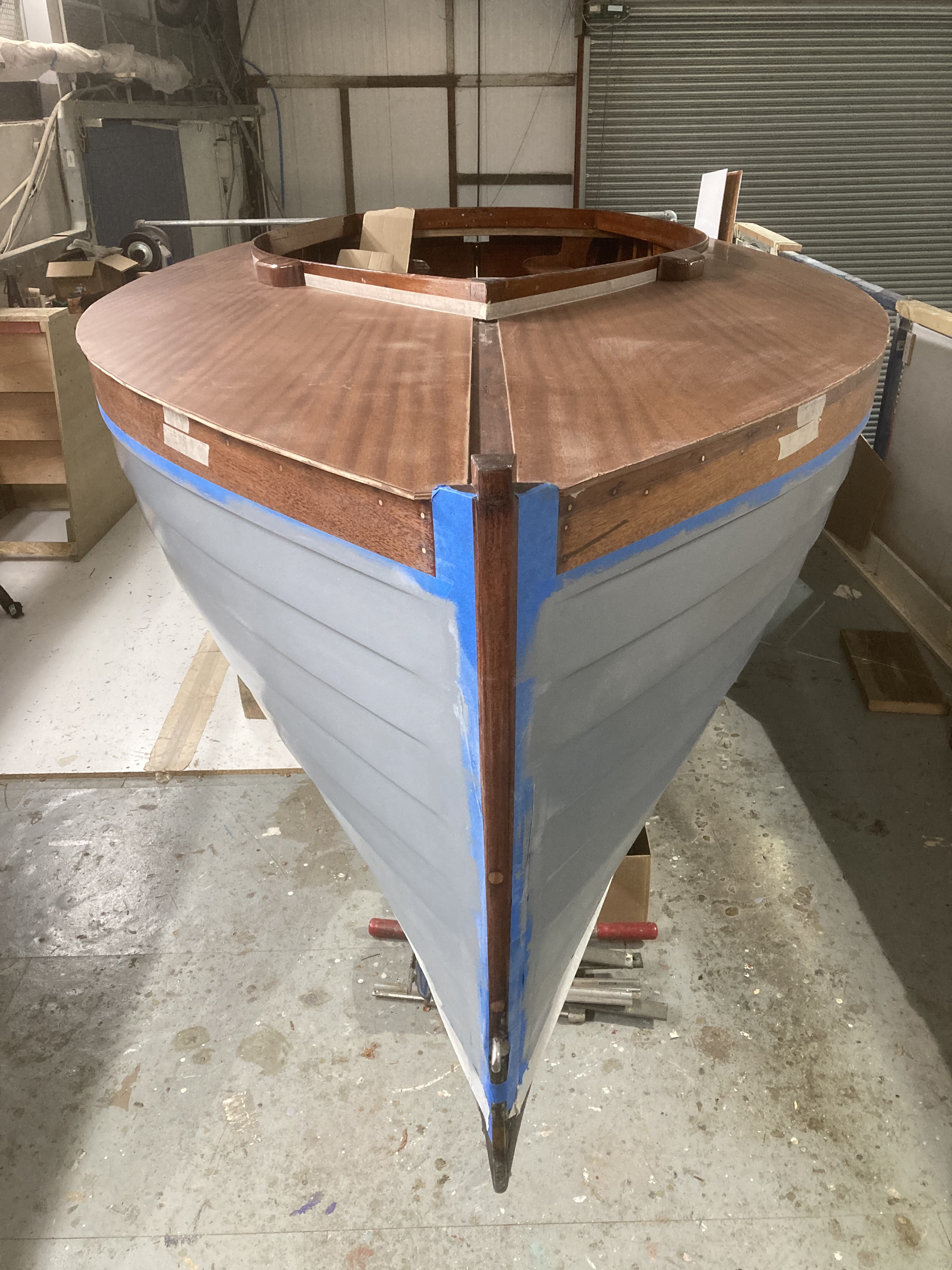
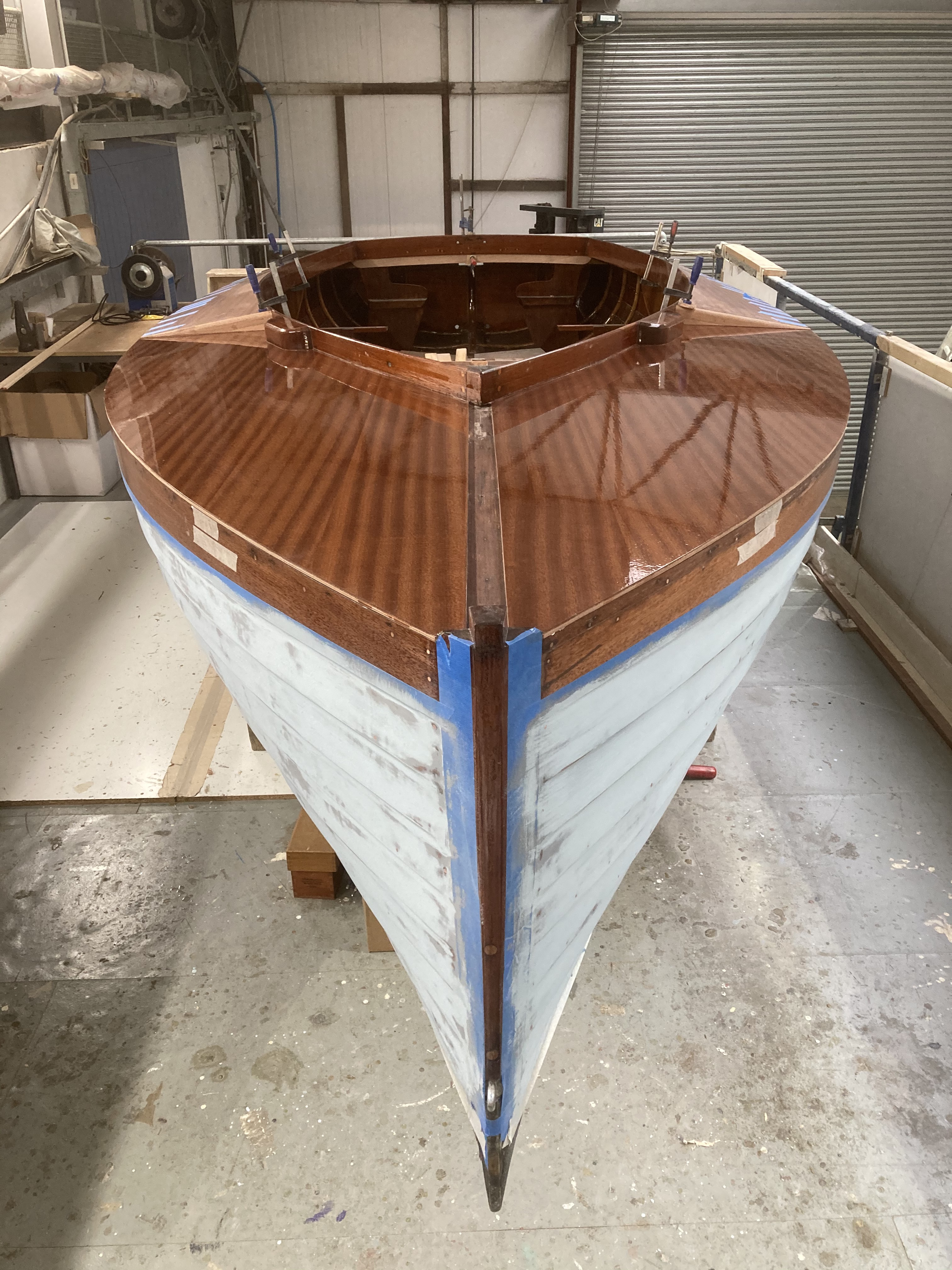
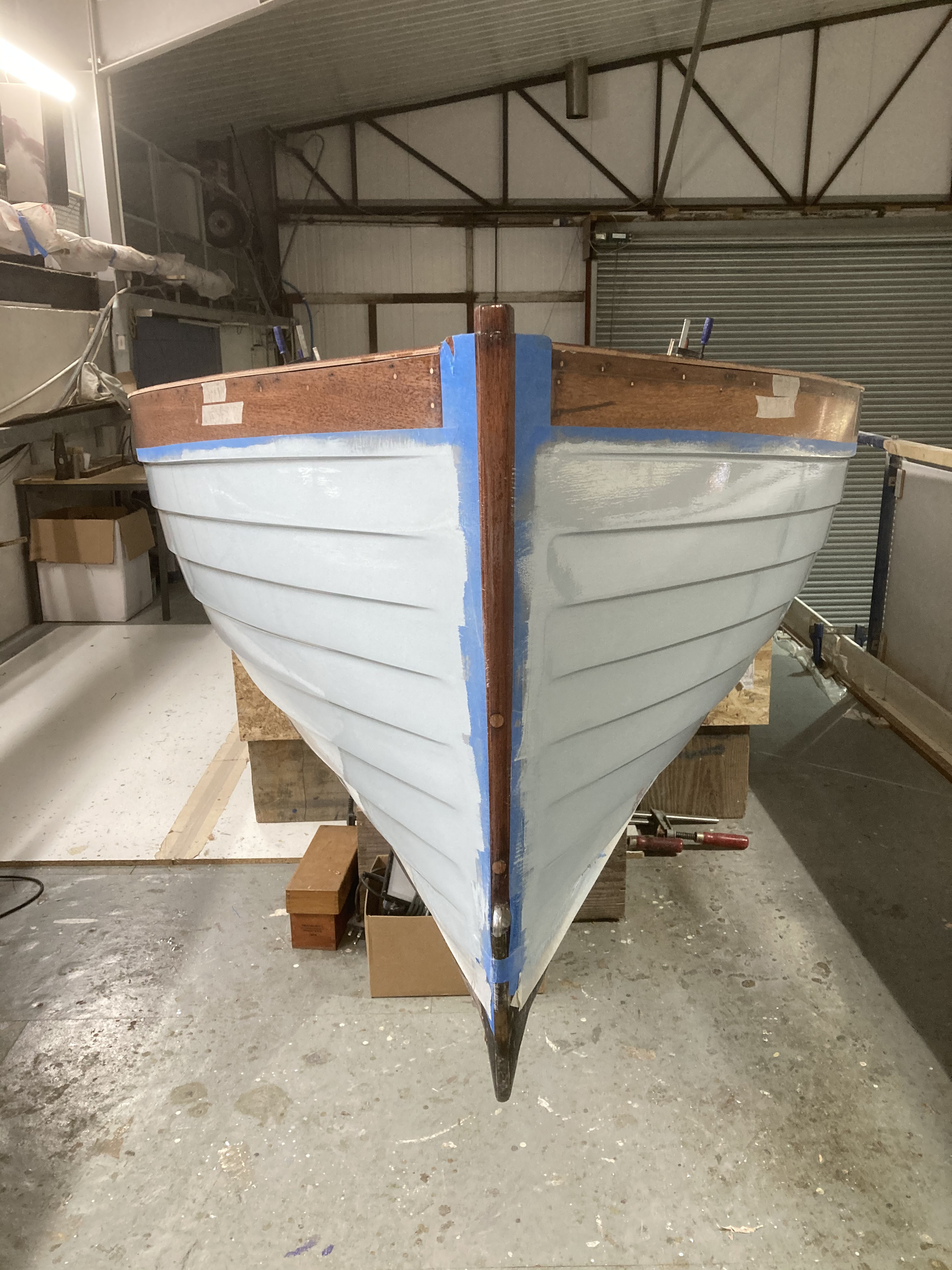
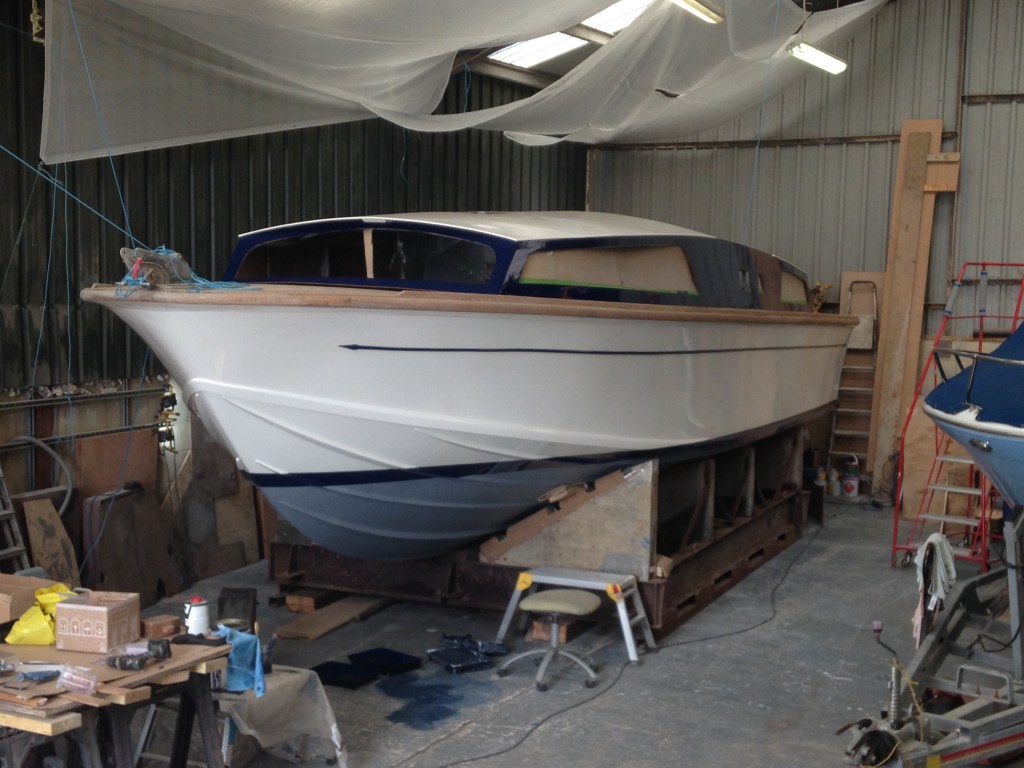
A Thames Slipper Launch had an unfortunate accident and had sunk. This vessel needed a complete replacement stem and forefoot. After all the broken material had been removed I made new backbone parts from oak and planked in double diagonal iroko including the topsides, which were originally single brazil mahogany boards so vanishingly difficult to source like for like.
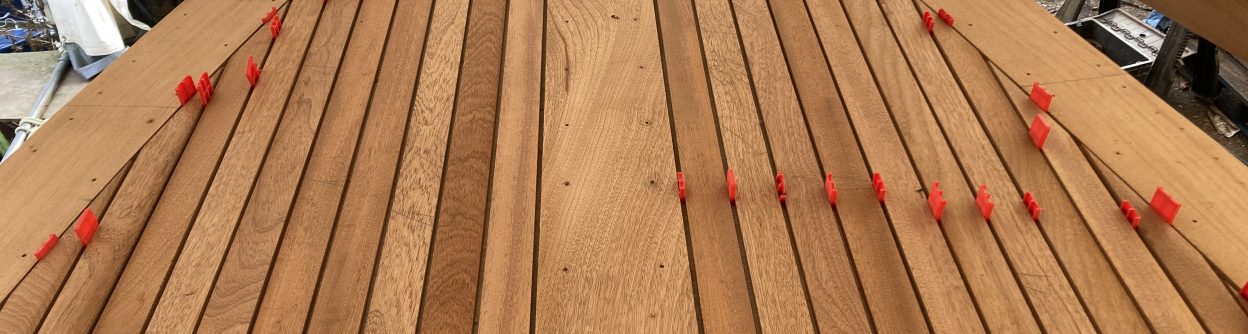
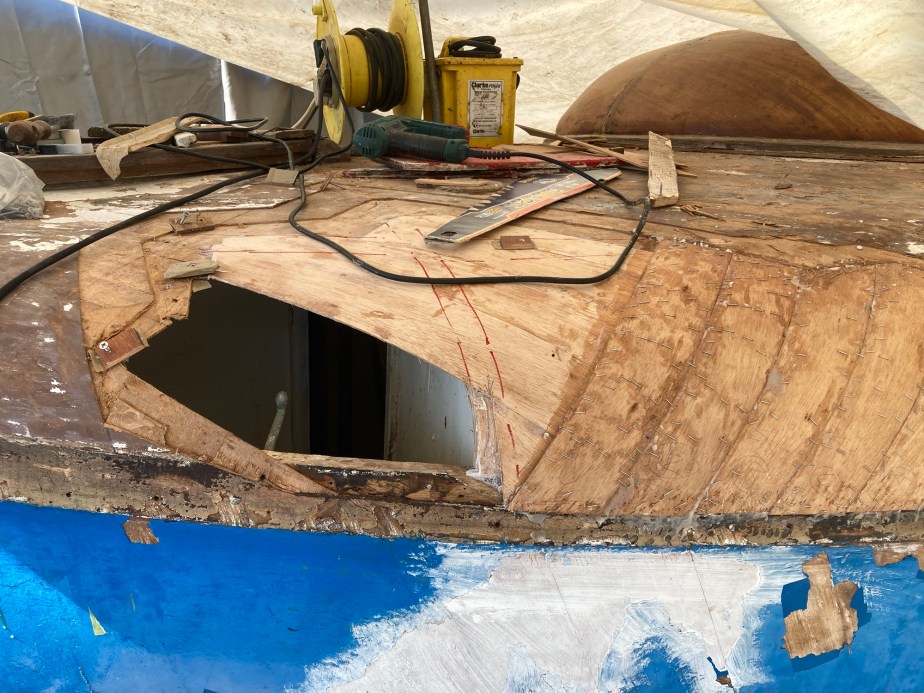
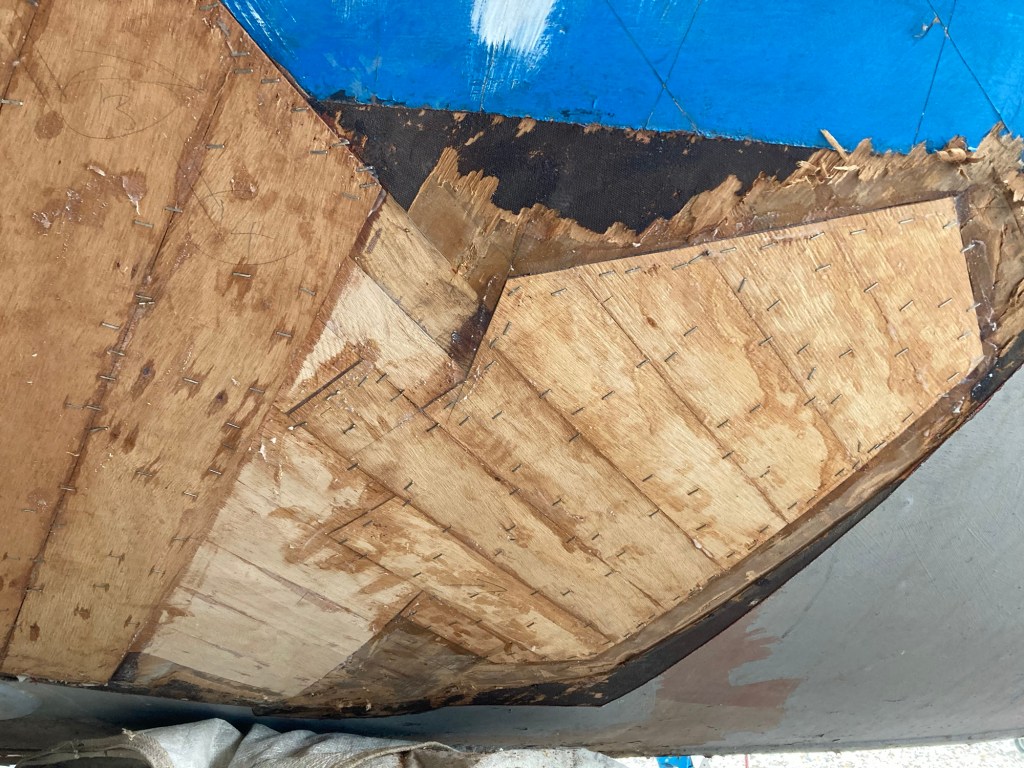
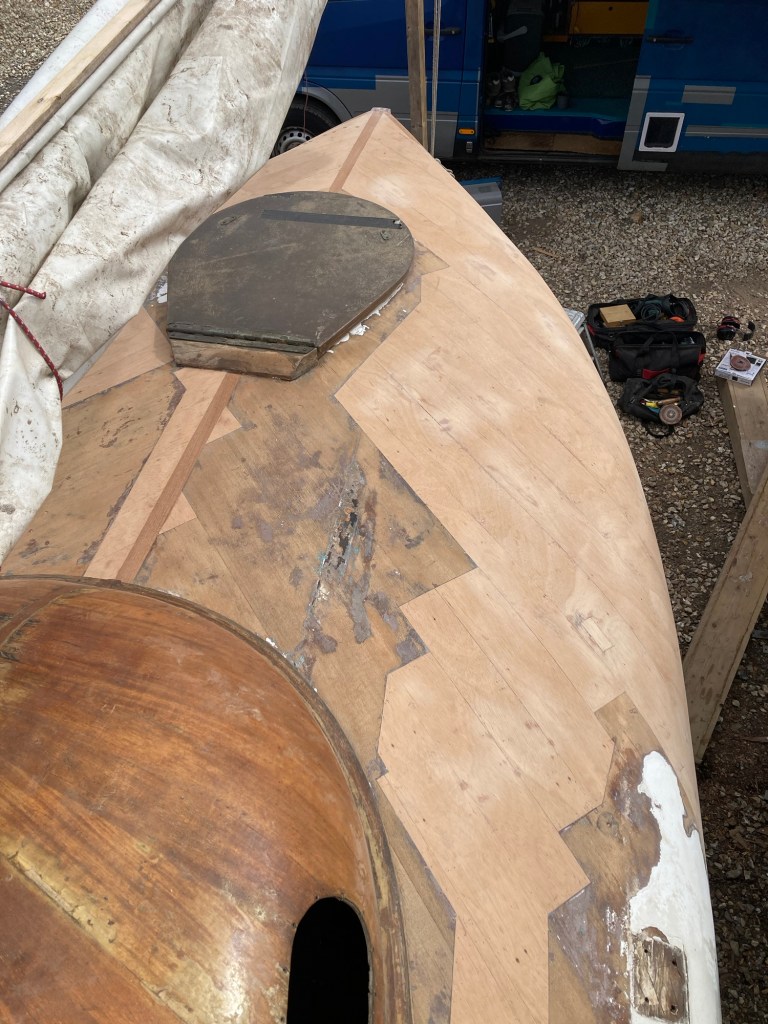
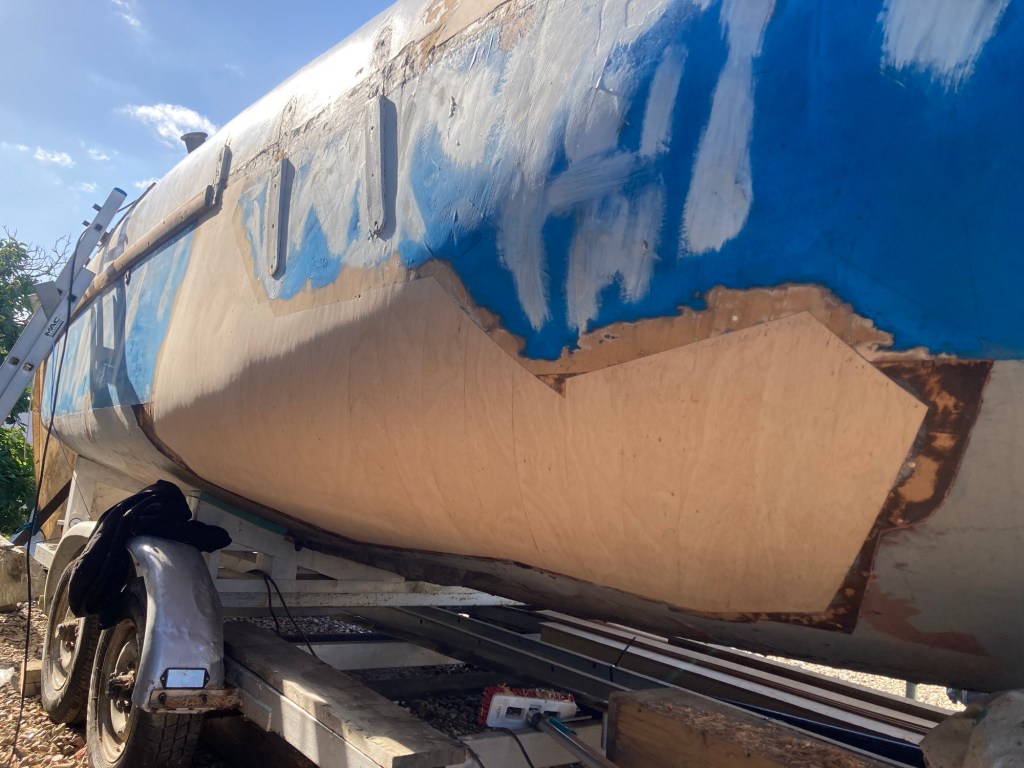
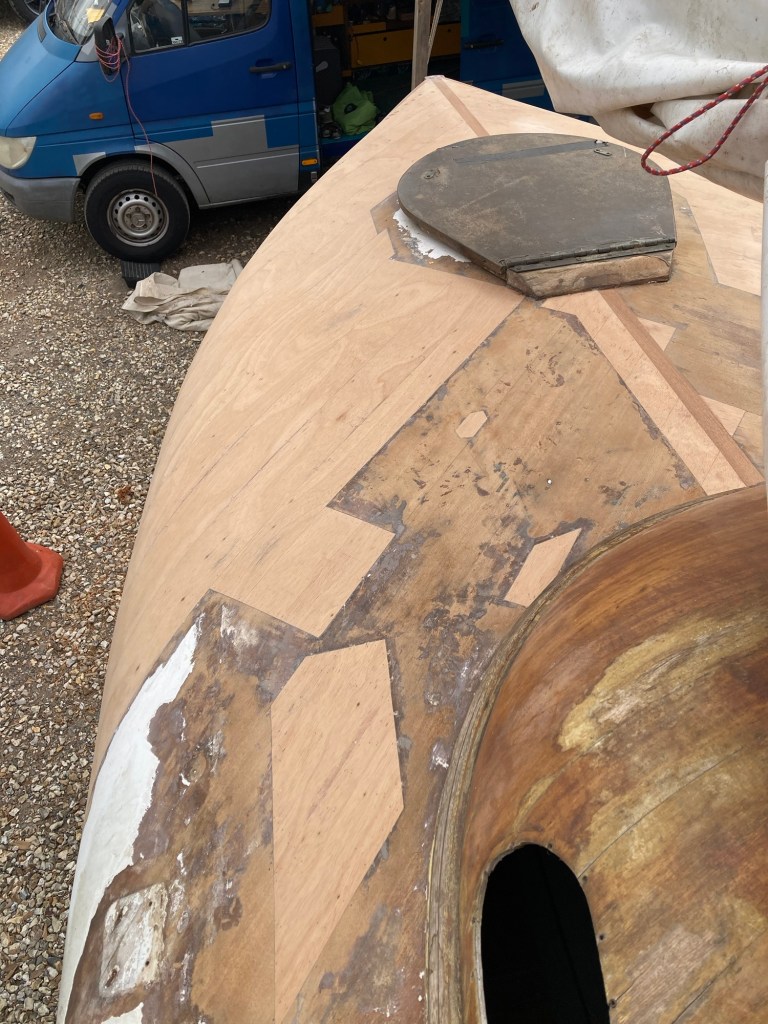
A Fairey ‘Atalanta’ needed some significant hull repairs. Carried out utilising agba veneers and epoxy. The pronounced turtleback deck required the veneers to be steamed first to persuade in the severe bend.
The repairs became over three main areas, and were five veneers thick on the hull, only three veneers thick on the deck.
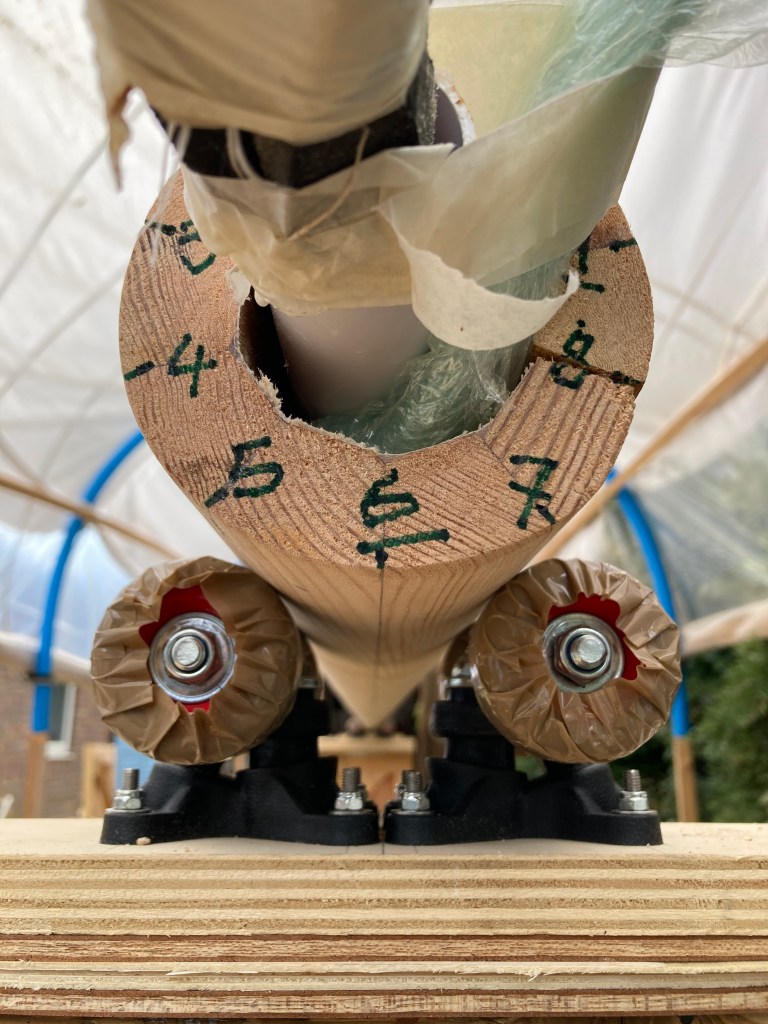
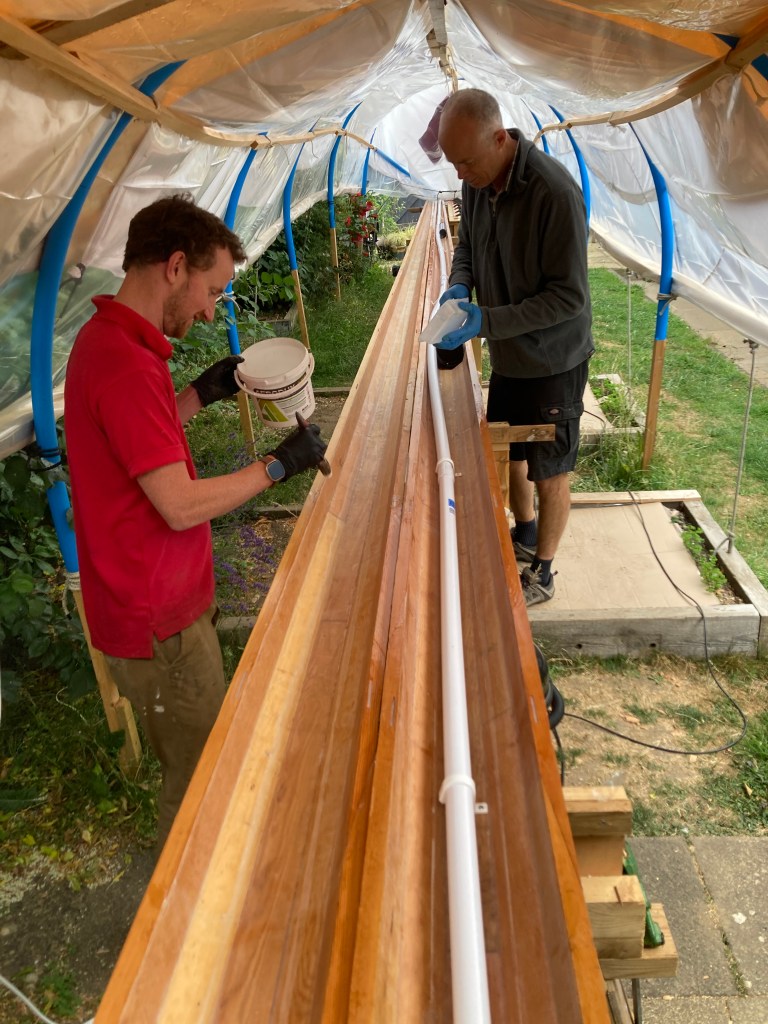
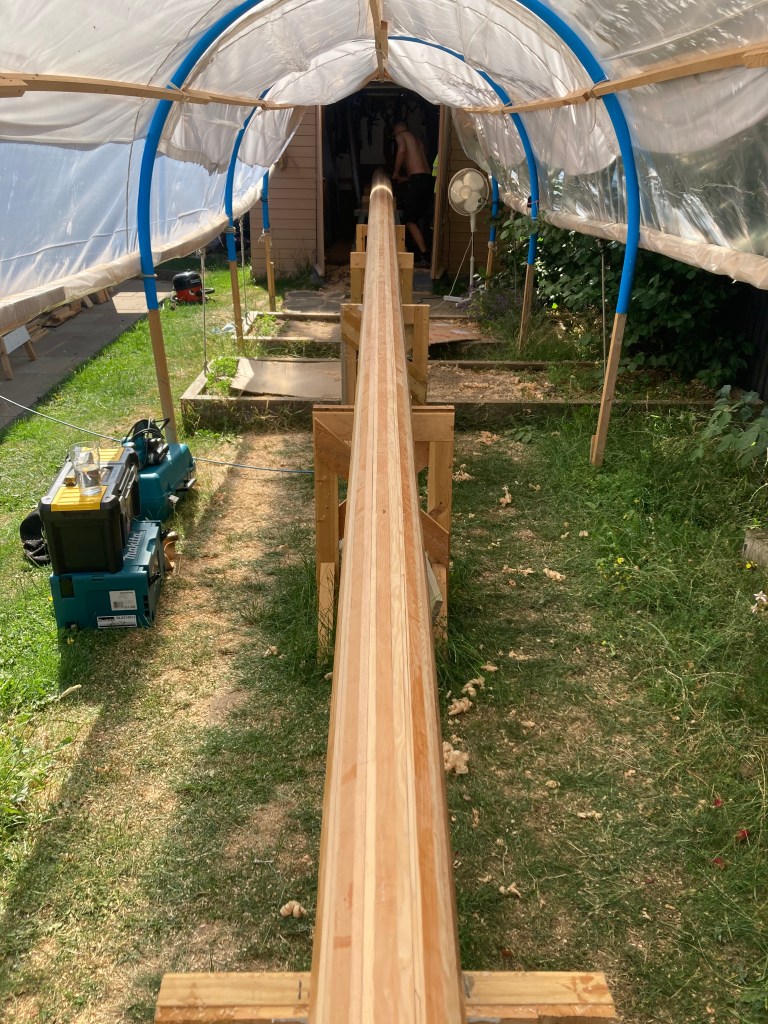
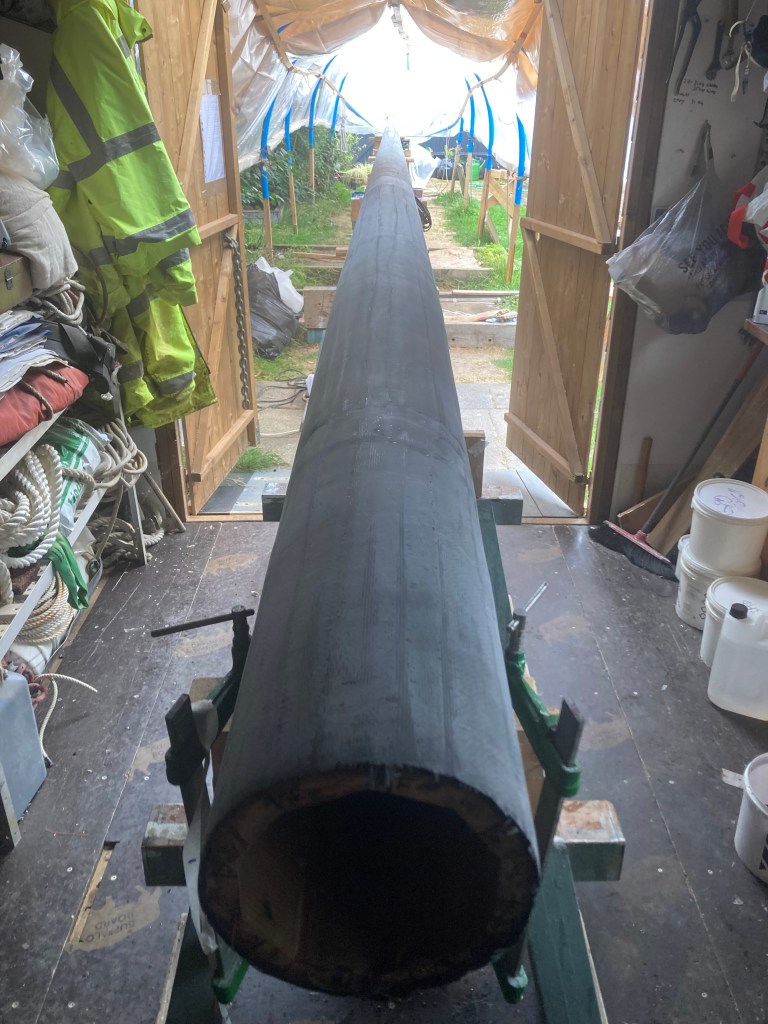
Jim has decided to convert his 32′ gaff rigged ocean cruiser to Junk rig. He’s been considering this for quite a long time, and here is the first step in accomplishing that rather dramatic refit. A new fifty foot mast, built around a ten staved douglas core and now sheathed in a vast quantity of carbon fibre, which took several weeks of effort. Being Junk rigged, it’s designed to be unstayed so is really rather huge at the butt end. So I was pleased to simply come up with a way to easily roll the mast during lay-up. Surprisingly, carbon fibre turns out to be quite easy to work with once you get the hang of it, at least the backyard way we were doing it. I’m also interested in some of the physical and dynamic challenges of such a project. Of course extending the vessels keelson, partners, and mast step, building a yard and making the first sail are all still to come, and I hope to be involved with some of these too.
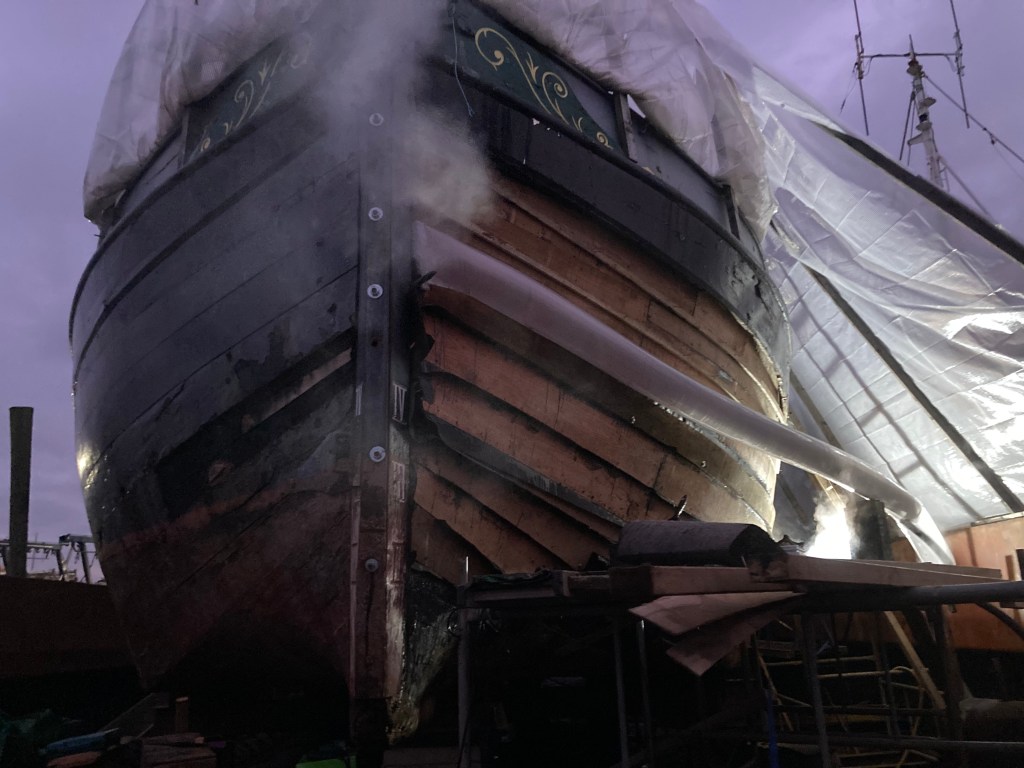
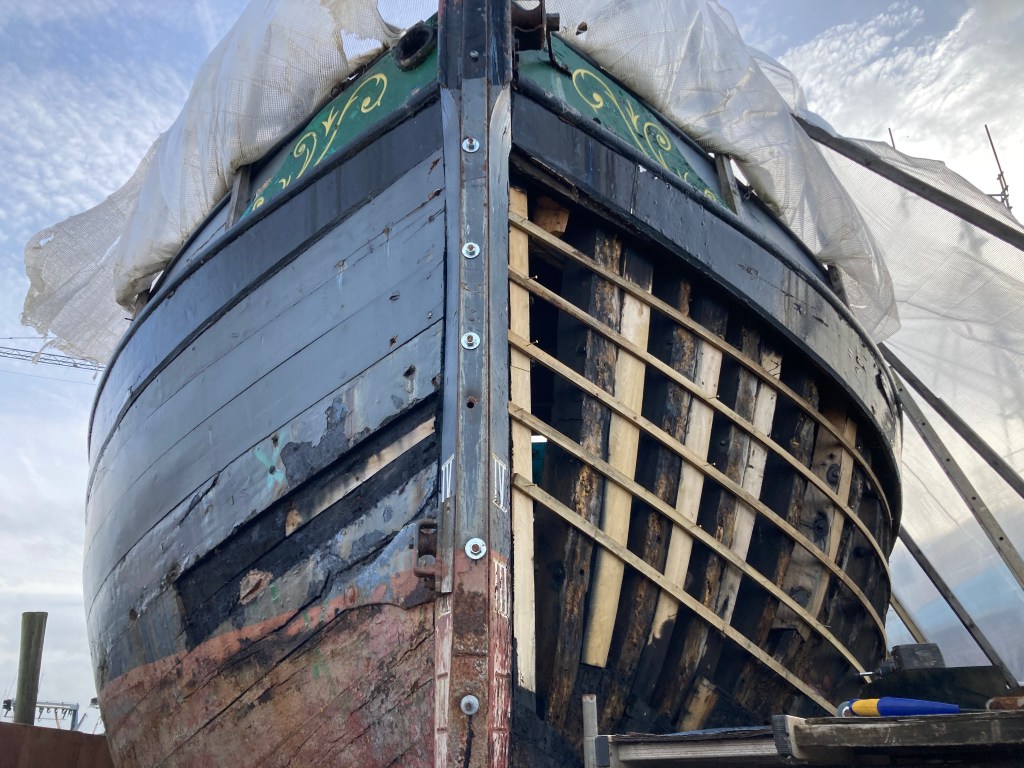
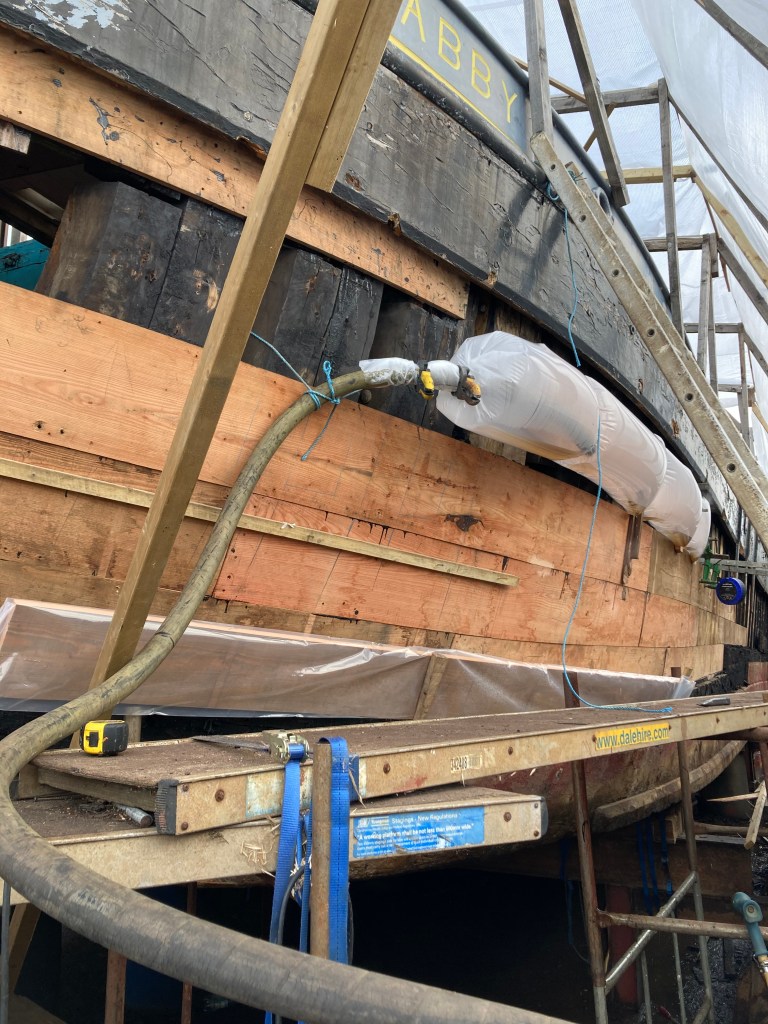
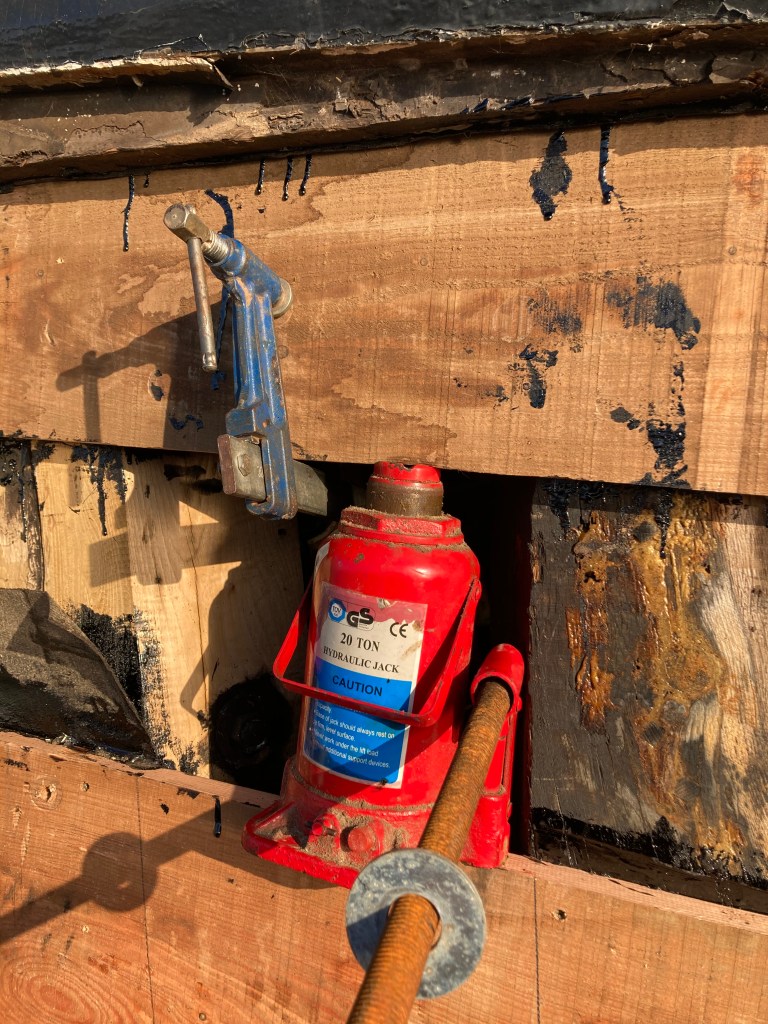
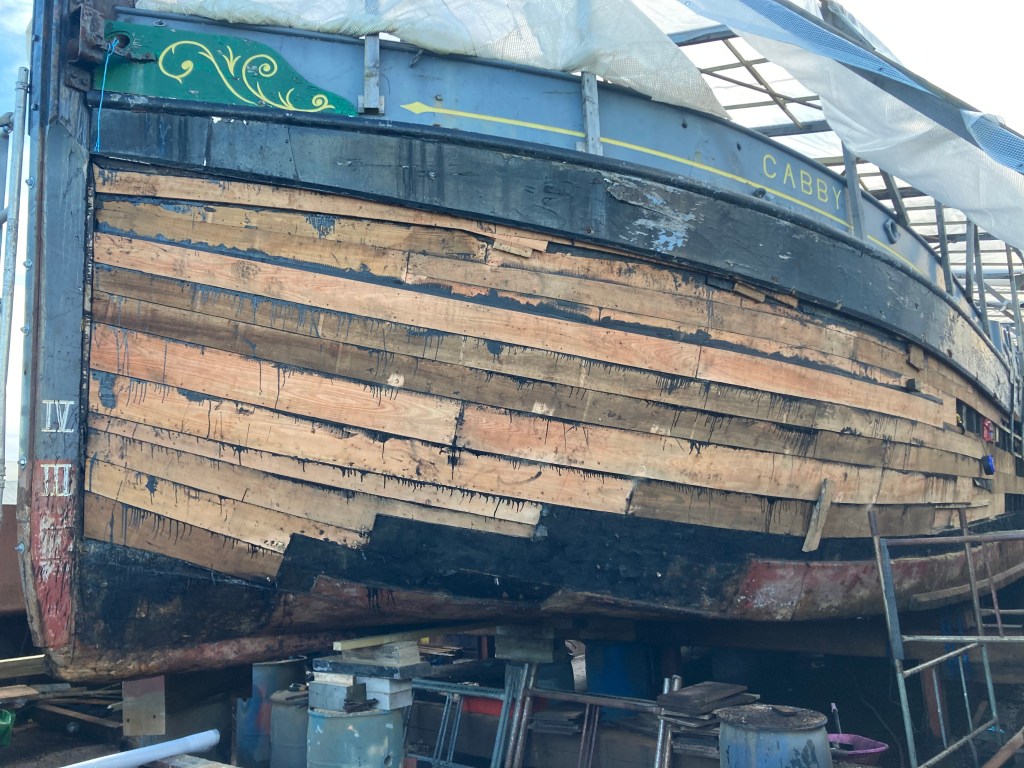
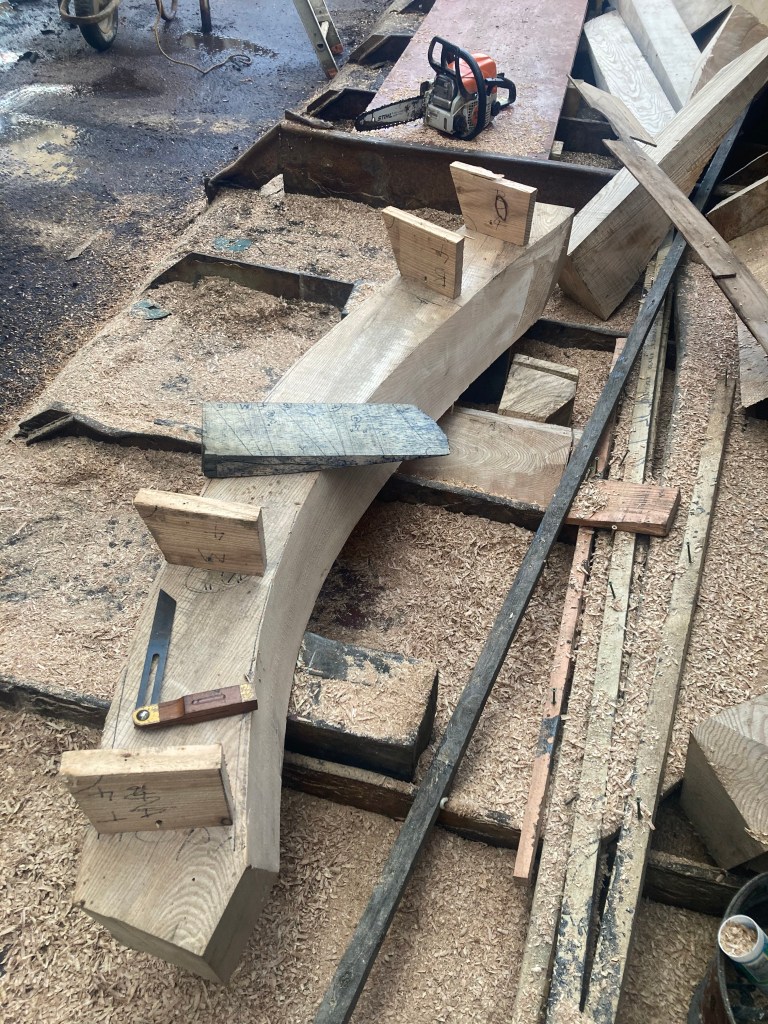
Here’s one at the big hairy end of the building spectrum. 90 odd feet of it. I spent three months replanking one whole side of this Thames barge in a floating dry dock over the winter. Using a planking method that I haven’t encountered before, this was to be three layers of 1″ sawn larch on top of each other, close boarded and luted in between with roofing felt and vast quantities of bitumen. (Pictured here is as far as the second layer.) Some frames were replaced in chestnut too toward the stern as I went. I was mad enough to somehow ‘agree’ to be left to tackle a large amount of this colossal task solo, and some weeks in had to beg for assistance when throwing six metre larch boards around all day became just too much. Eventually taking matters into my own hands I persuaded the management to allow Laura to join me for two two week sessions, which helped enormously. I did my best with this, and consider I proved I could do it well, and fast. I enjoyed the bigness of this challenge though, planking and steaming is always fun, and the working environment despite being harsh and exposed in December and January could be quite beautiful when the weather was calm.
Thought this might be a bit of fun, hopefully the pictures will present as a grid. They give the impression not a lot is happening too, but this salcombe yawl came to me in a terrible state and has had more or less everything done to it in order to bring it back to life. Major repairs to strakes above and below waterline, a new section of garboard and stemed timber repairs. Also and most obviously a completely new deck and deck furniture, and a super spruce up into the bargain. In about ten weeks flat.
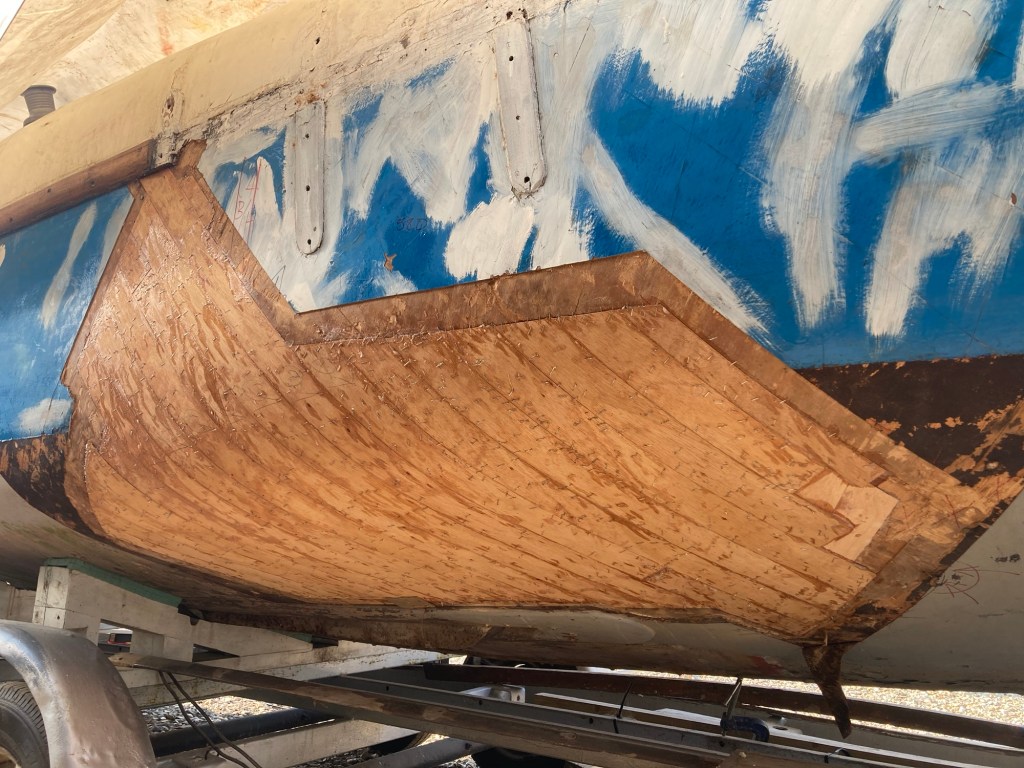
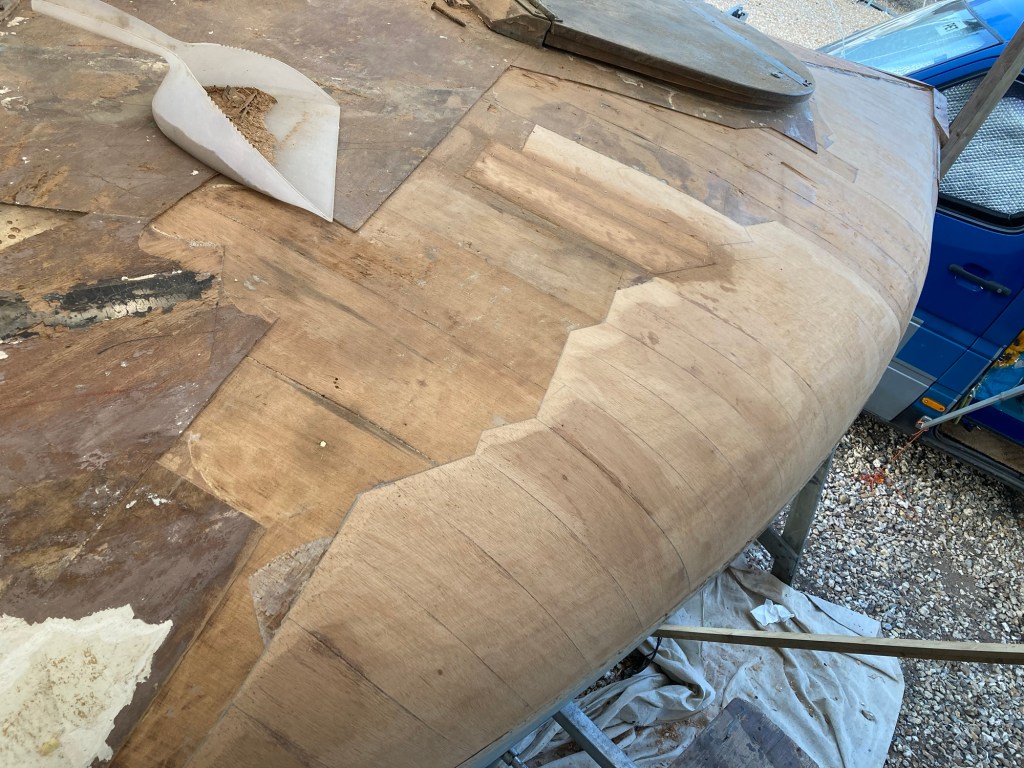
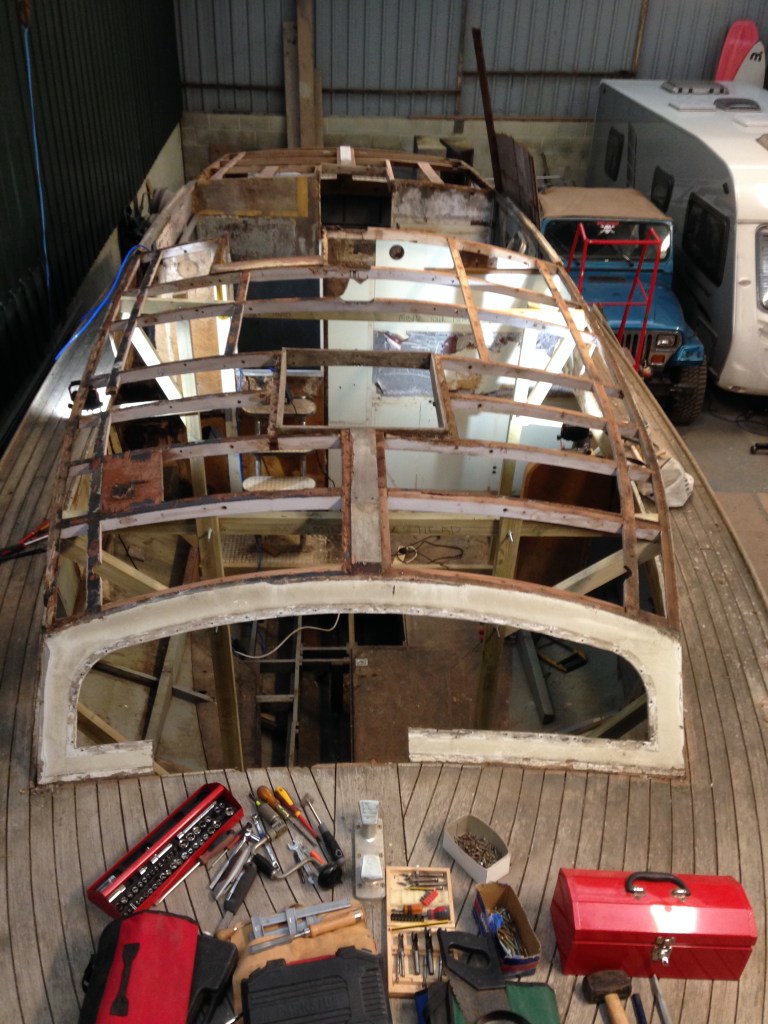
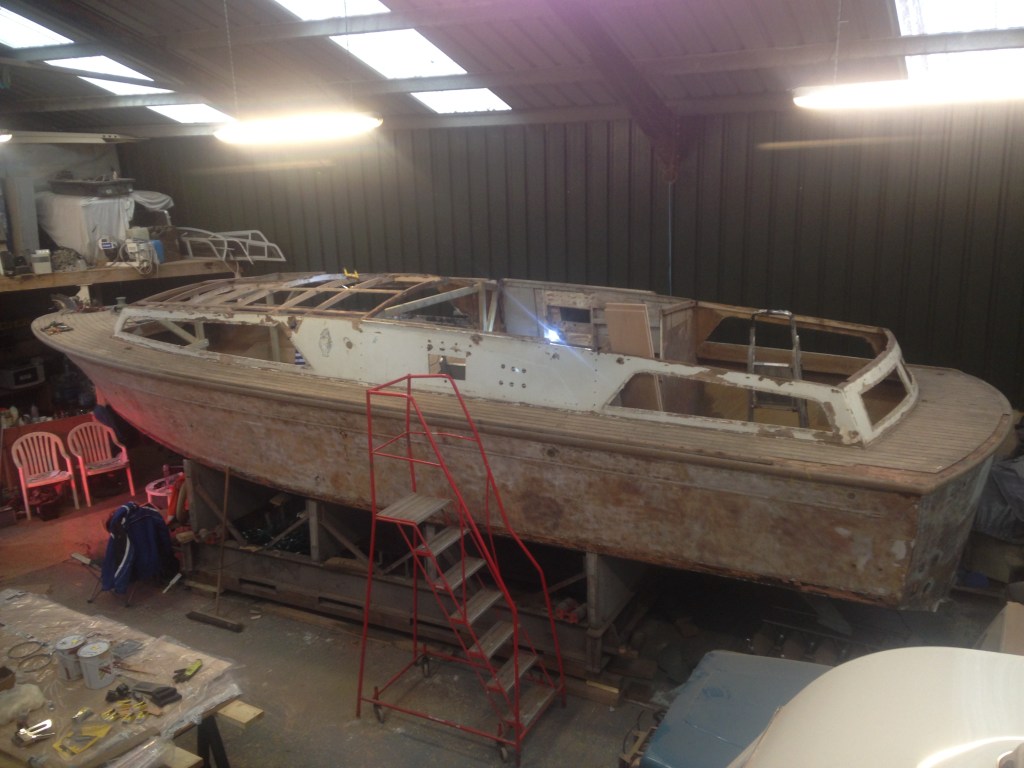
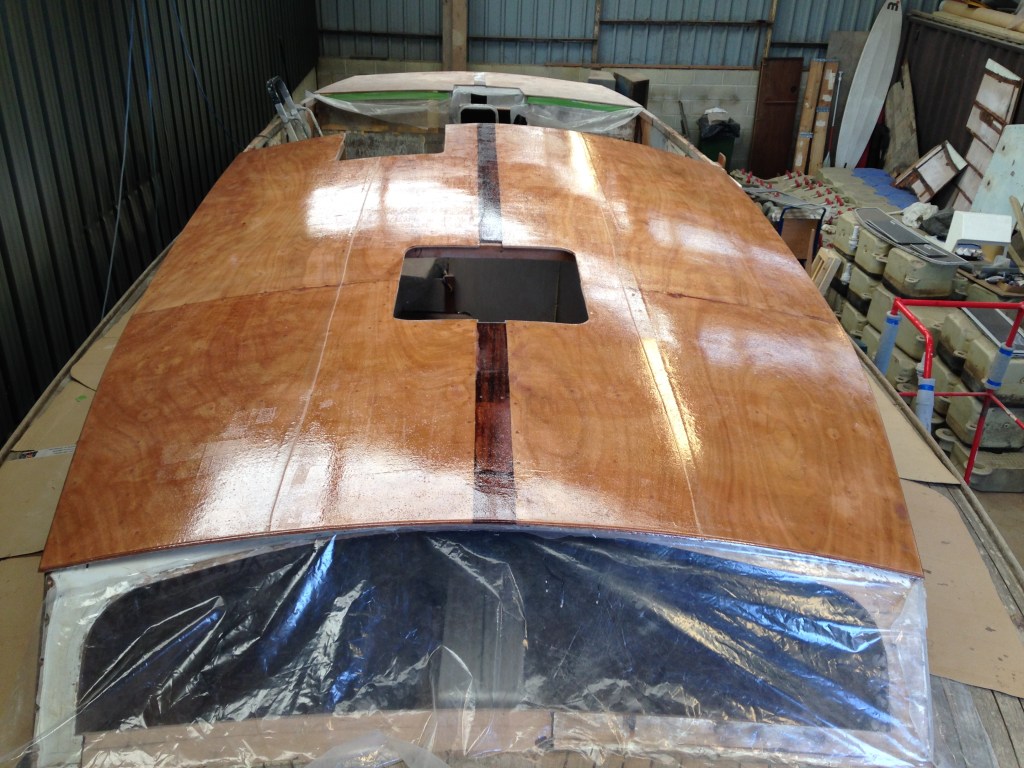
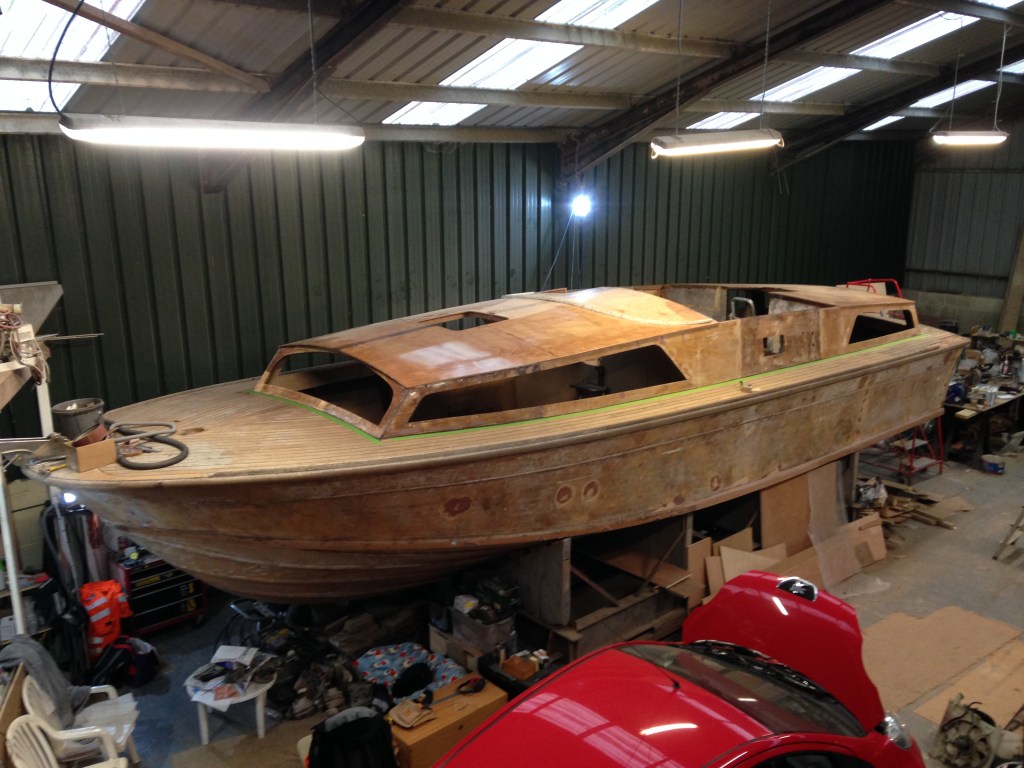
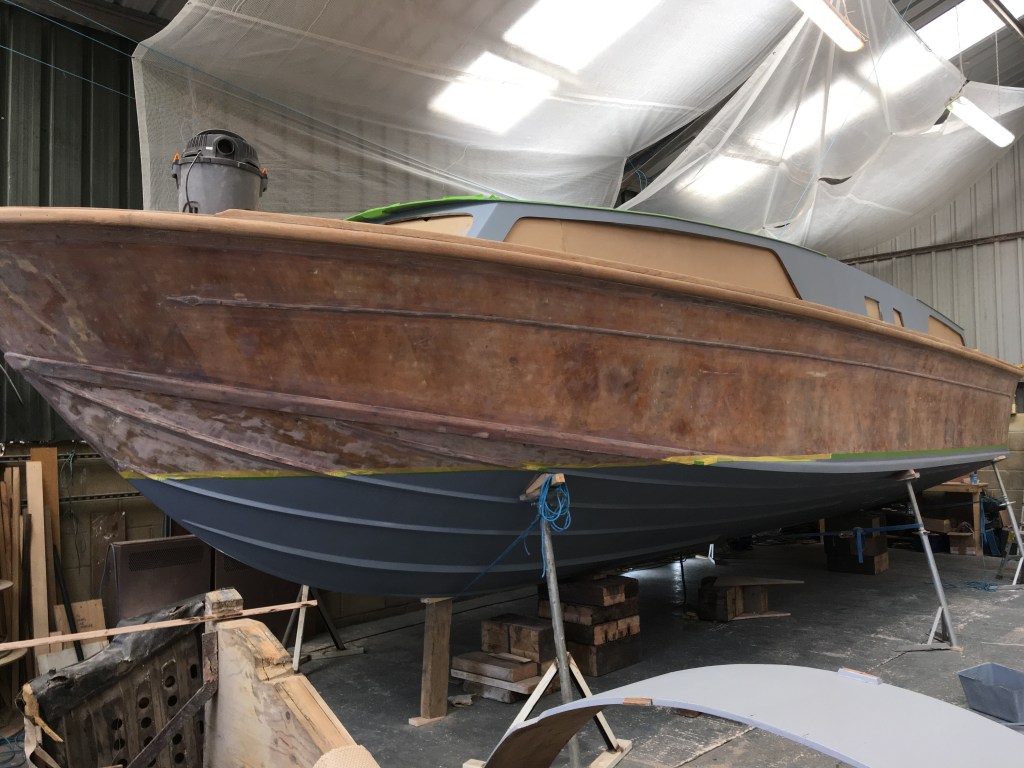
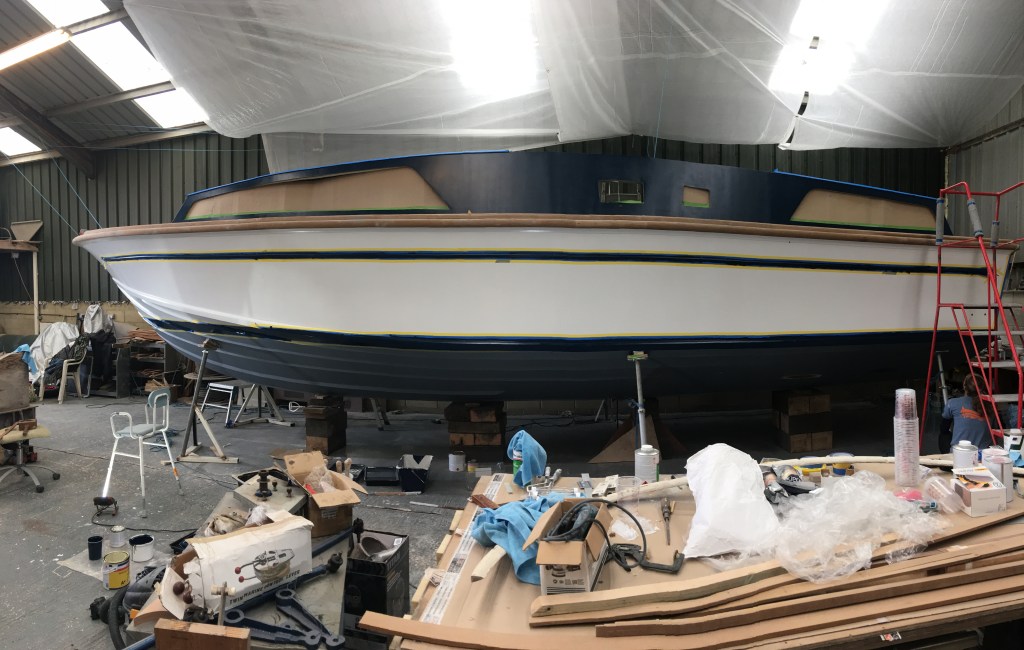
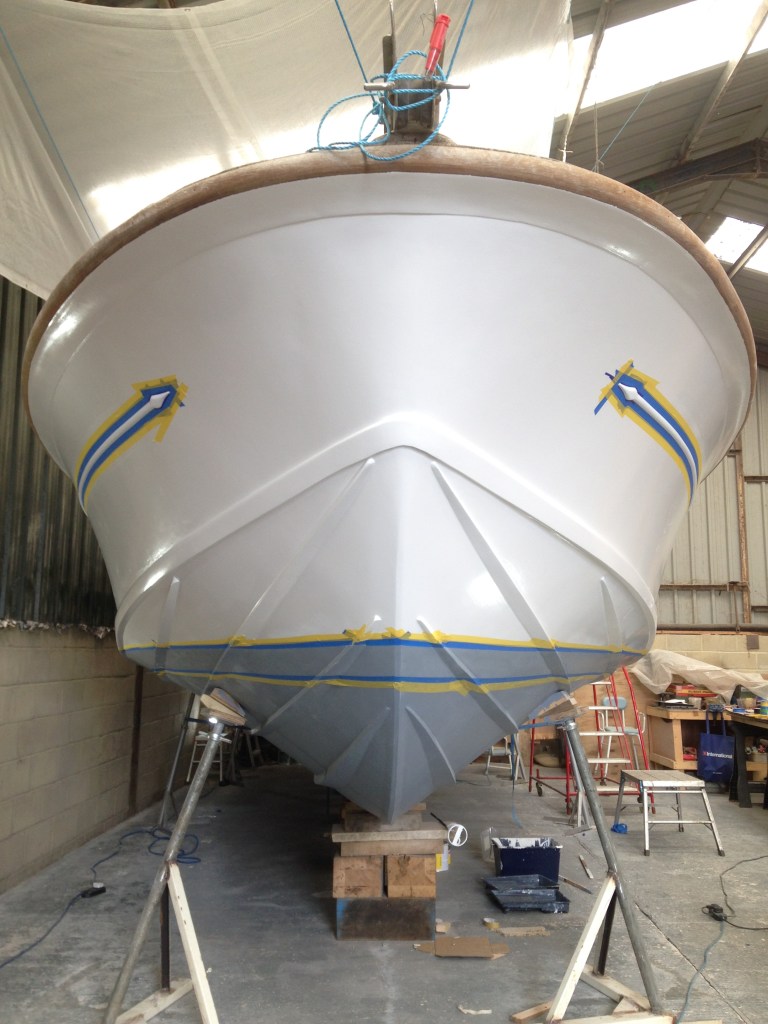
This huge task was led by a colleague, but I had quite a big hand in it too. Here’s a few representative pictures of bringing this boat back from the dead. These things are made like an onion comprising seven veneers of hot moulded agba mahogany. Rainwater damage was quite extensive and hull repairs were made by cutting large areas of rot back through stepped layers. then patching each veneer in in turn. Large pieces of superstructure and all the coachroofs were replaced. The customer was keen not to remove the deck and so structural repairs were carried out from underneath. The completed hulk was painted in a two pack developmental test scheme in partnership with Akzo Nobel, and we were very pleased with the results.
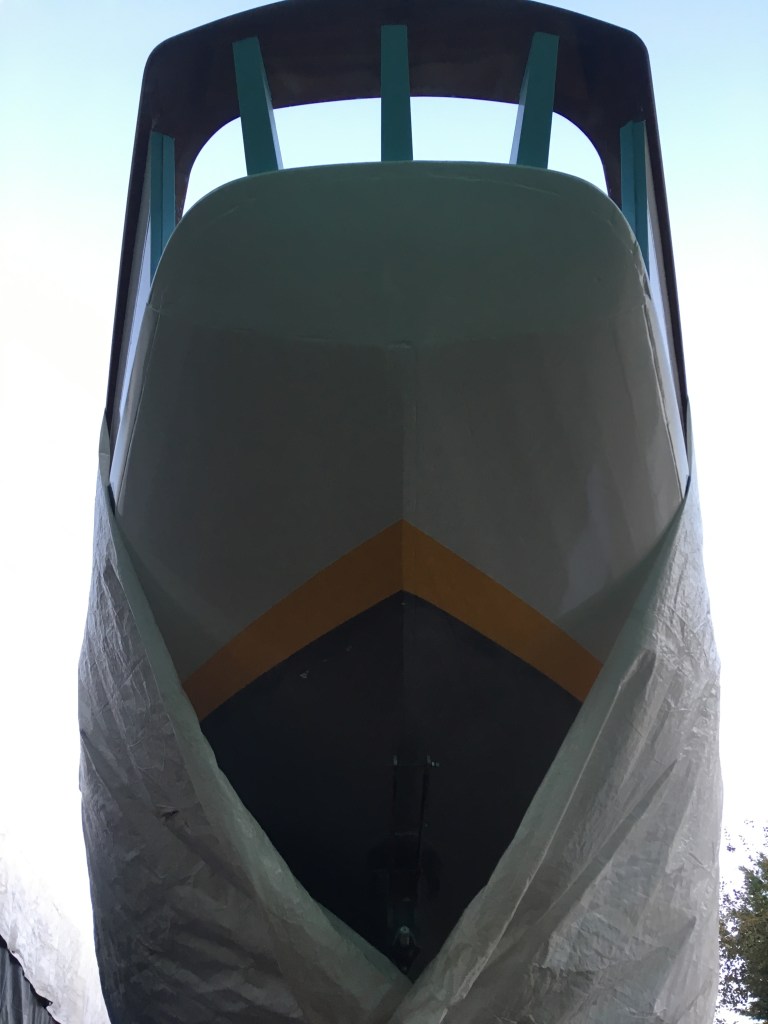
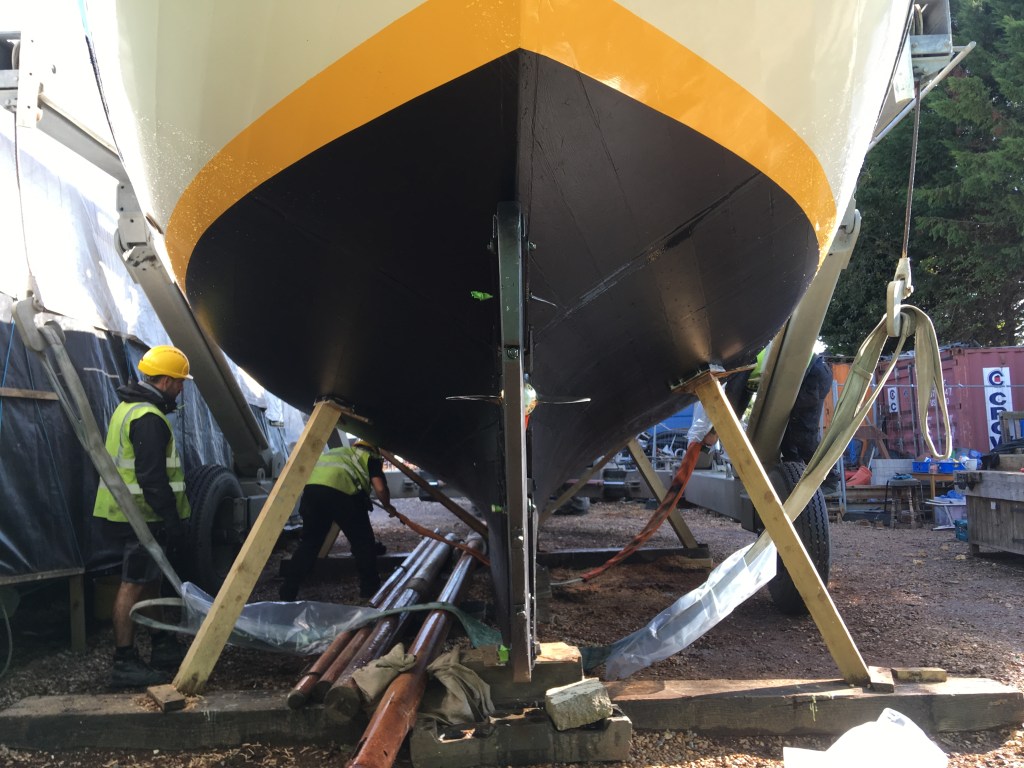
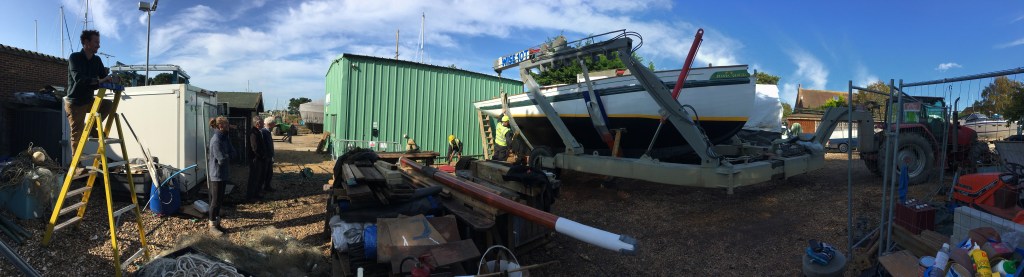
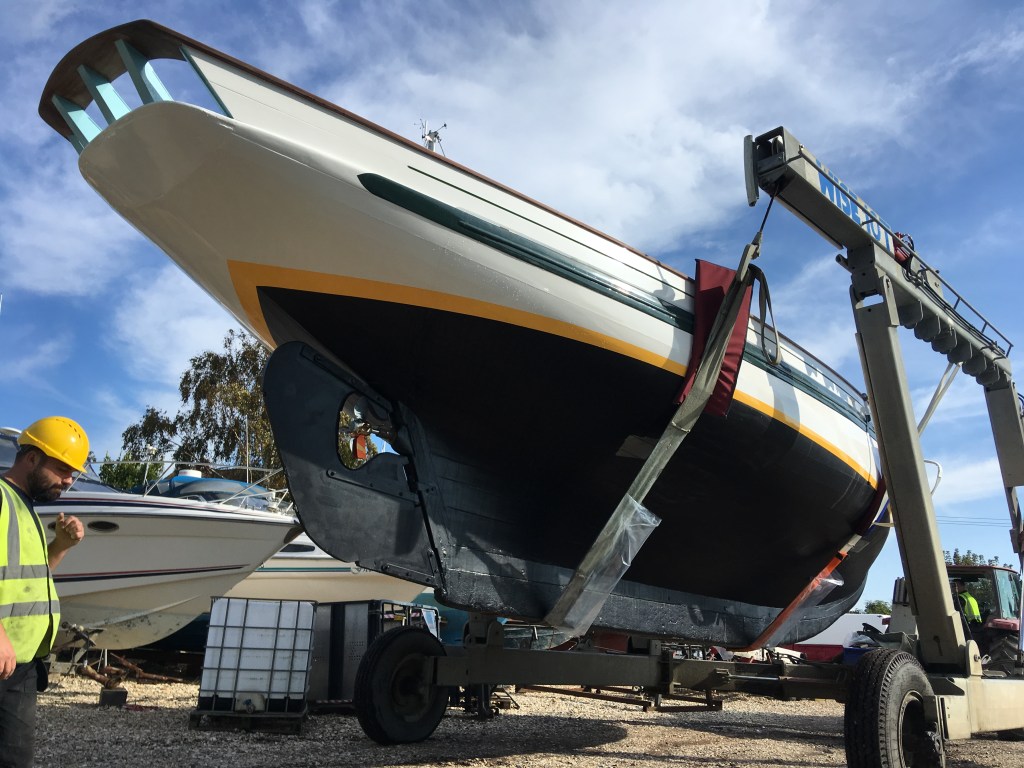
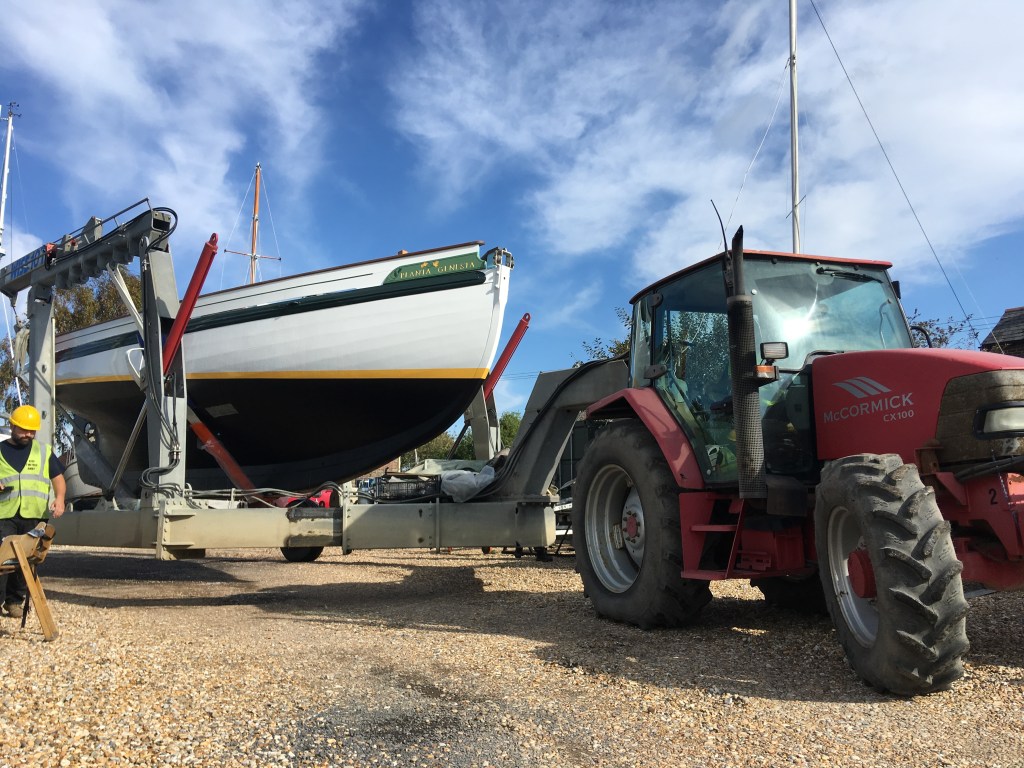
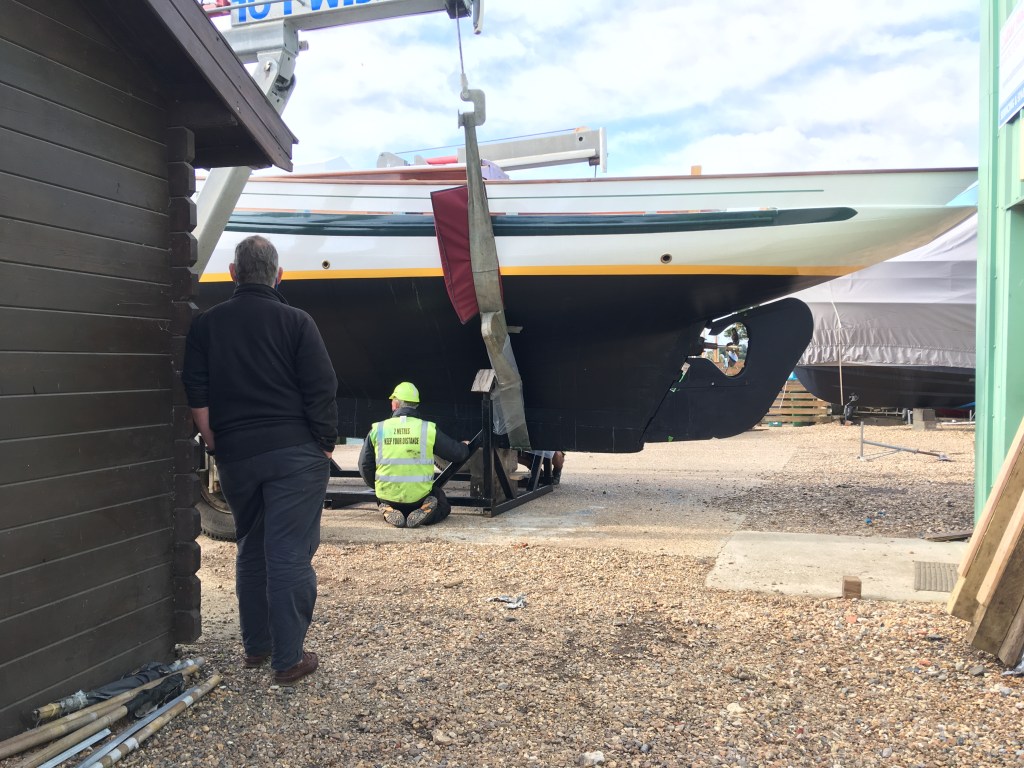
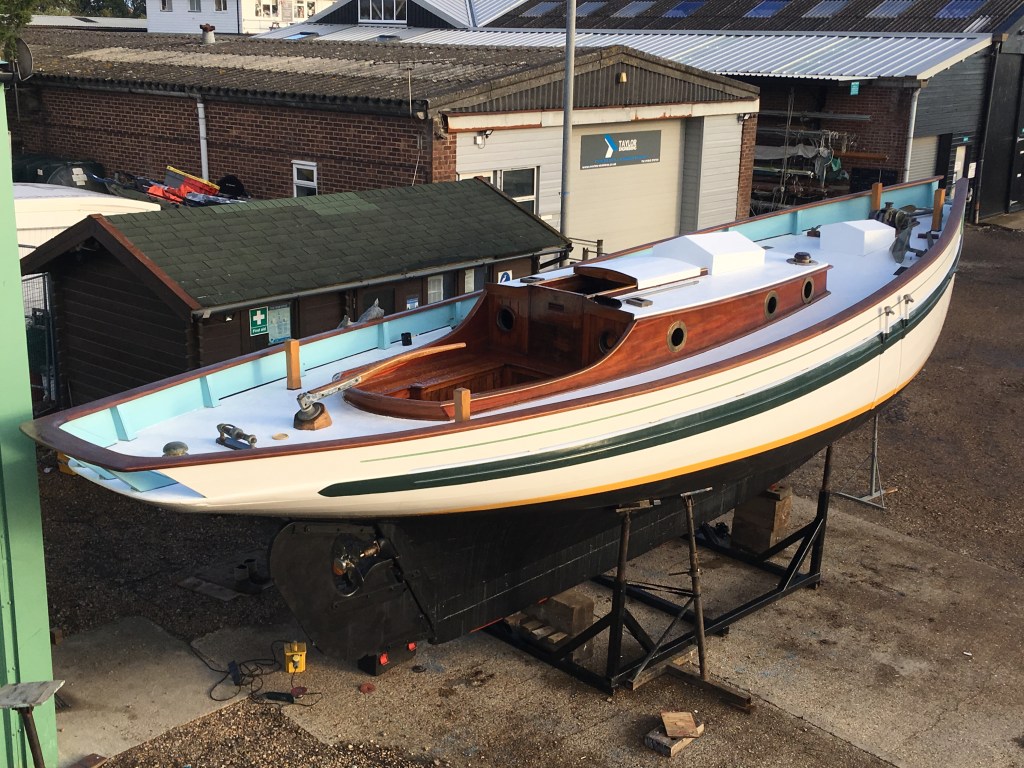
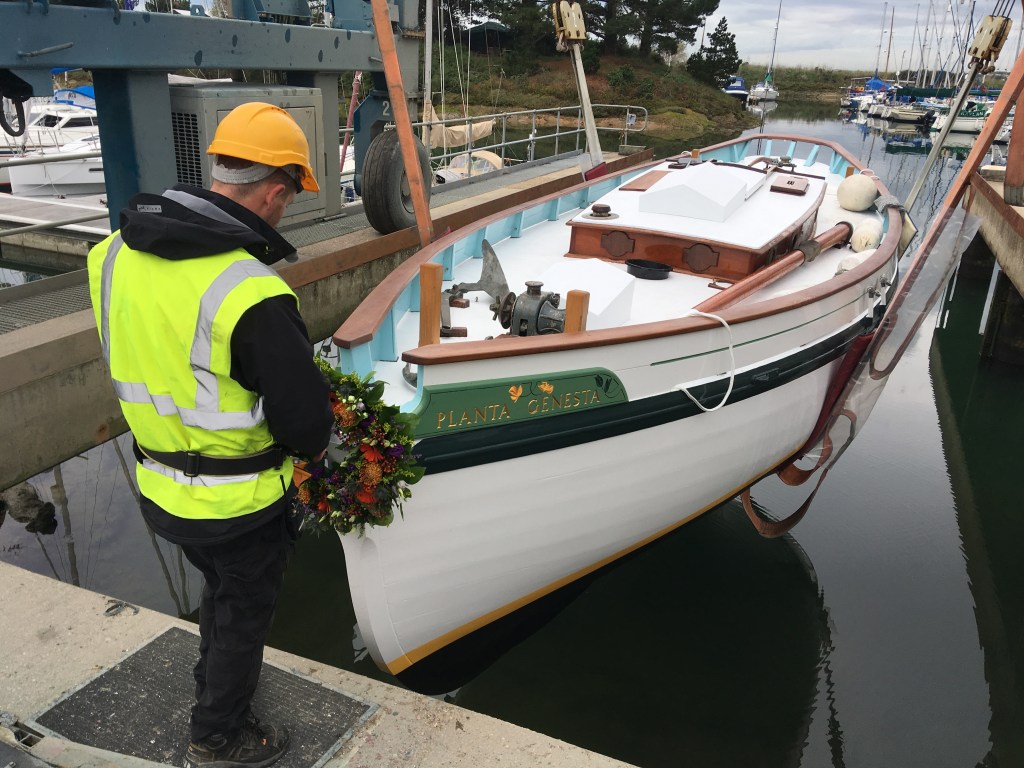
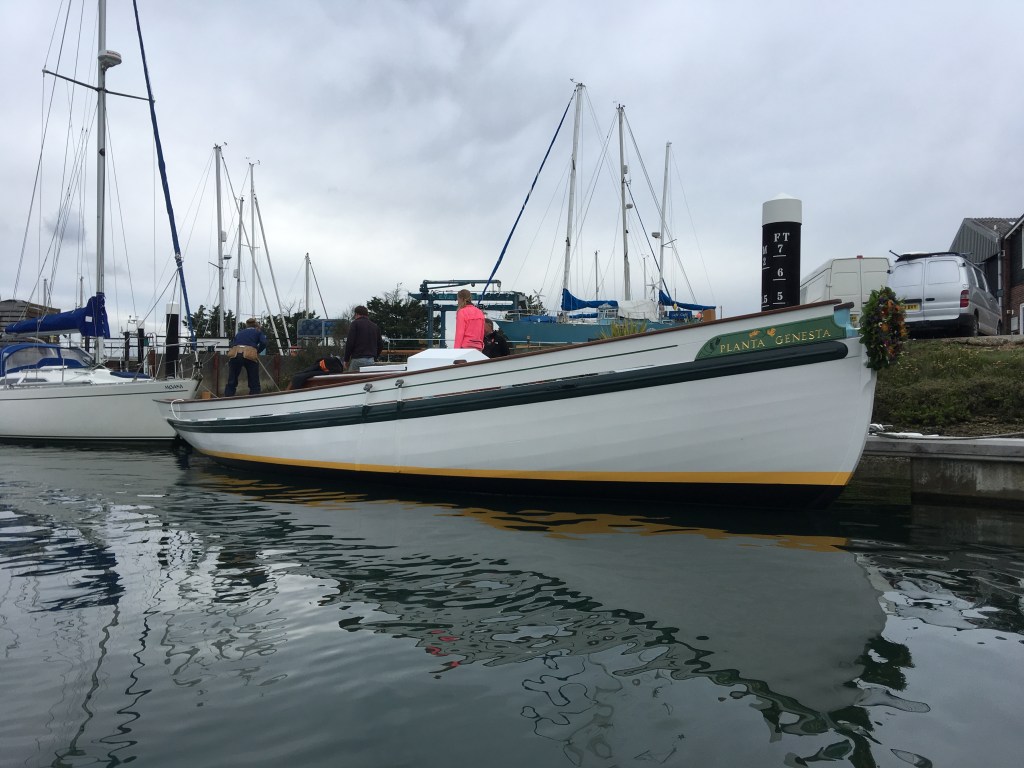
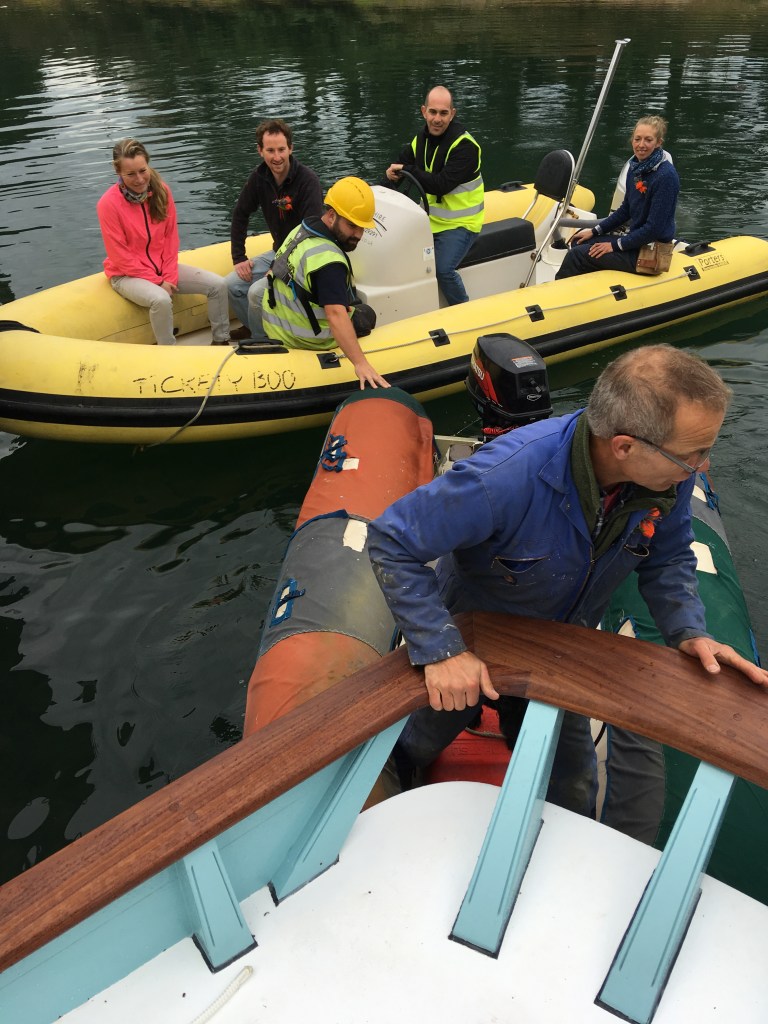
A process in two operations, first being moved round to the front of the yard on friday, and second the actual launch on monday.
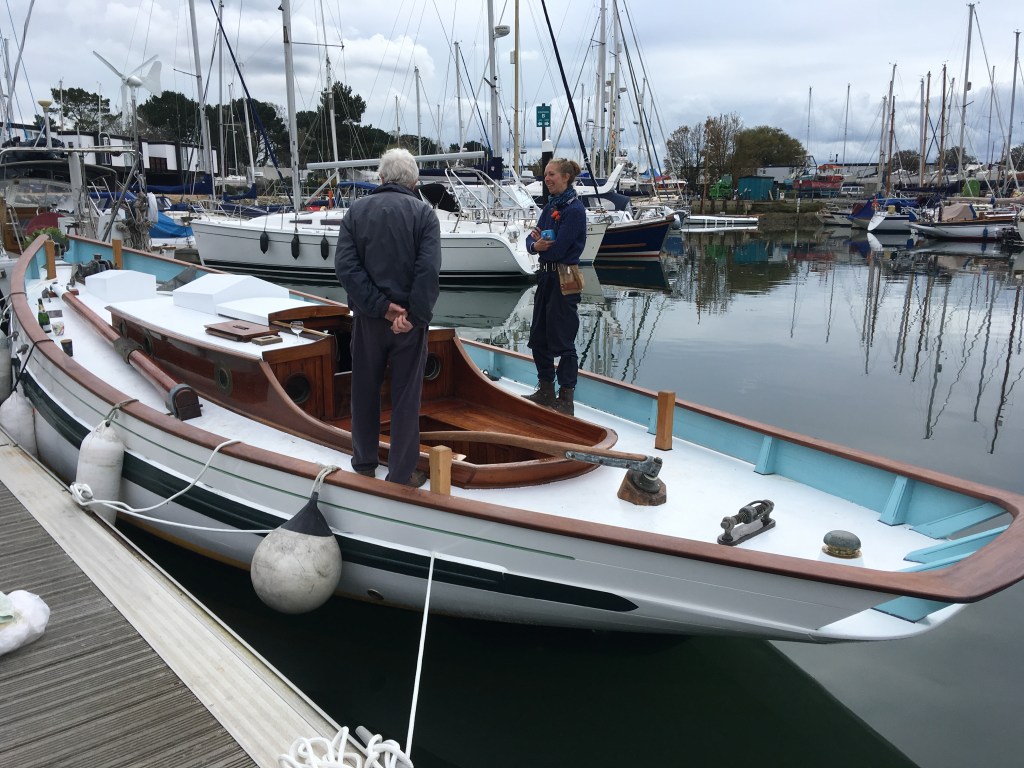
PG tips hardly leaked at all, just a few seeps here and there all took up in a week. She is now laid up afloat waiting for the spring, lifting of lockdown restrictions, and her new rig.
It was an intense and busy moment of pride, humility, relief, happiness and sadness at it being over, it was a brilliant project that I’m very proud of. So I’m going to let the pictures speak for me instead.
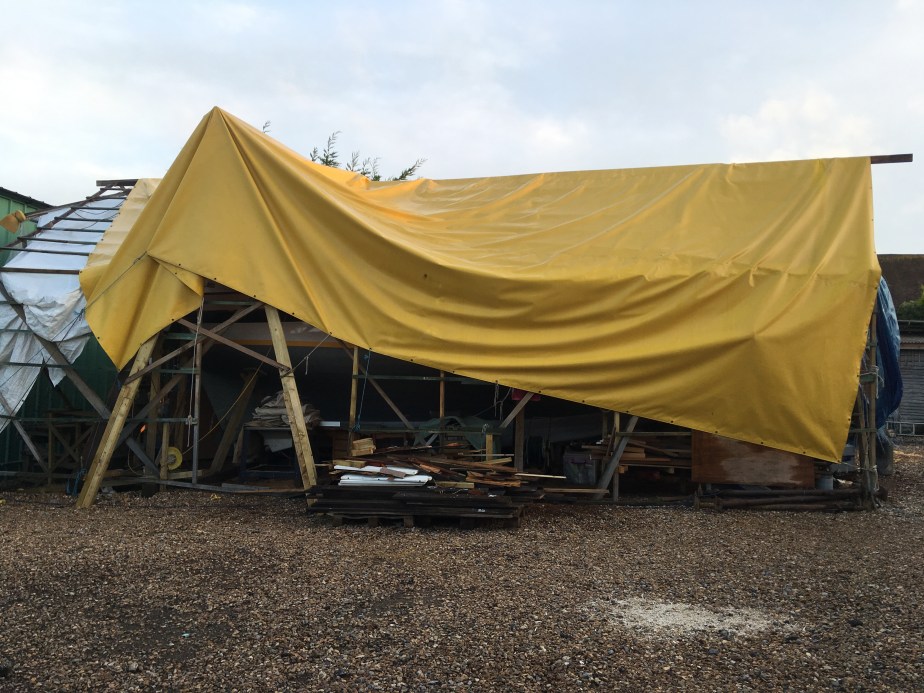
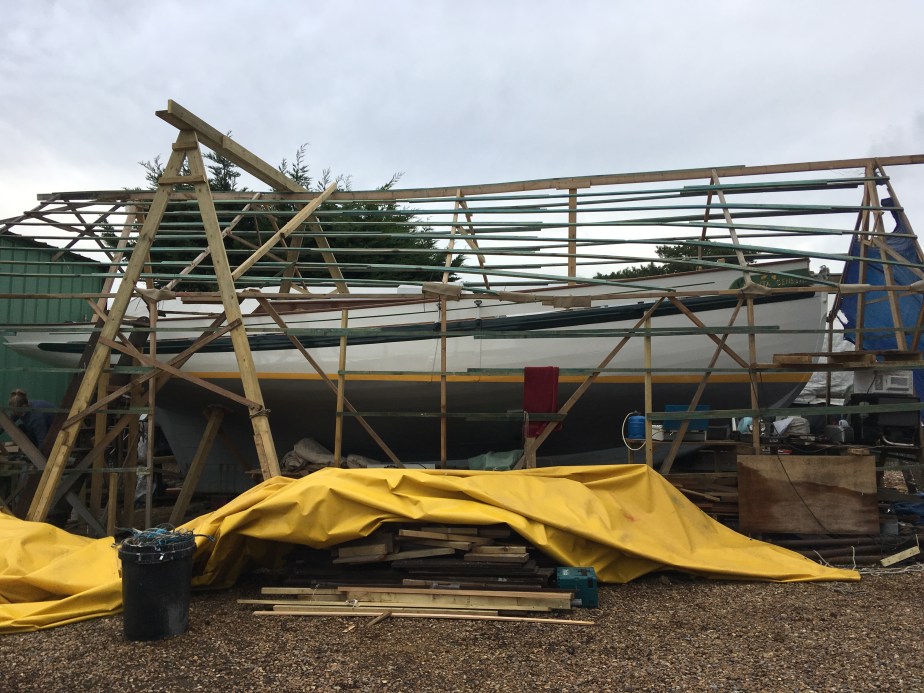
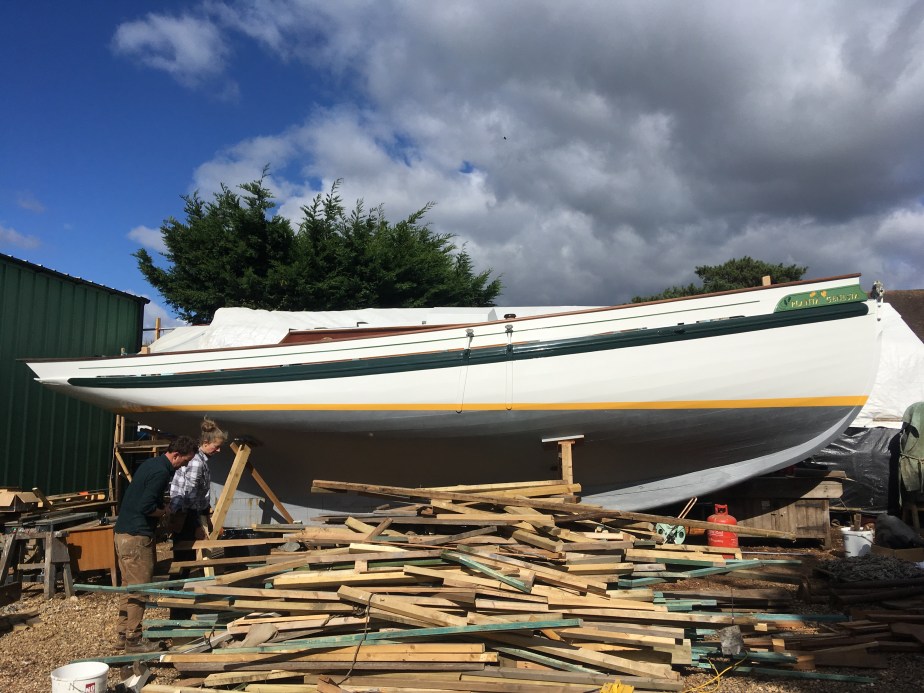
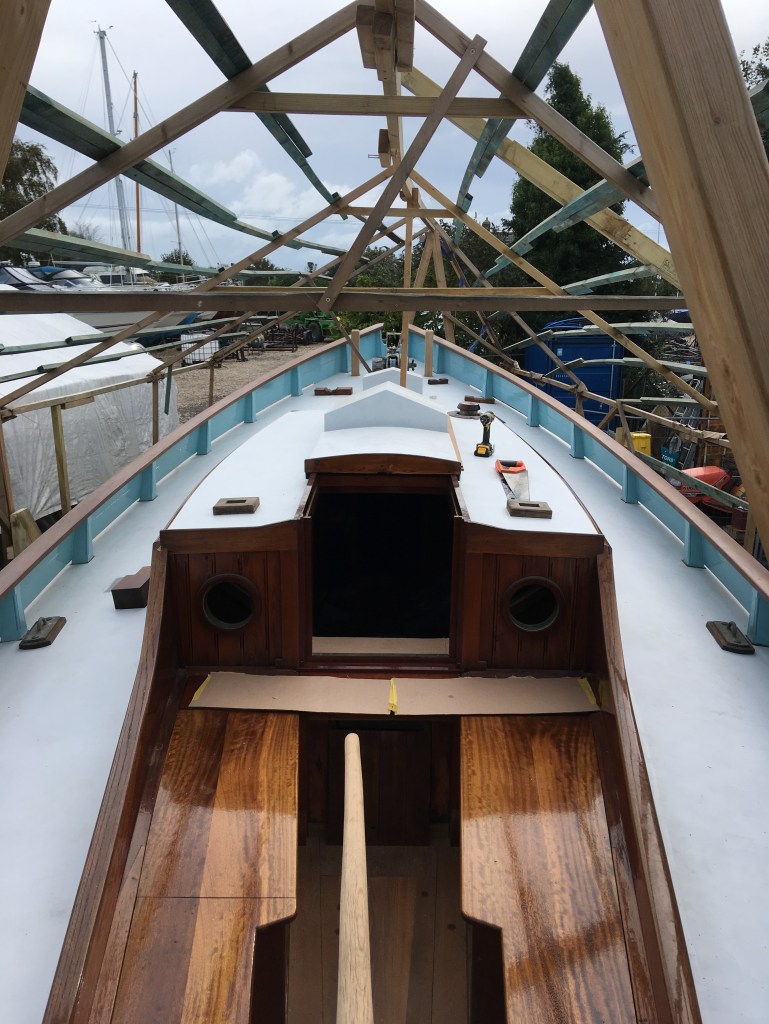
Finally, Finally. It was time to lose the tent and begin preparations for Plants to get in the water where she belongs.
Around this point there was still a ton of things being worked on and finished off but clever old me was so busy running around I completely failed to document the incredible work that everyone put in to painting the deck, finishing the cockpit, my work to make oak ‘nogs’ (sort of widely spaced sampson posts fore and aft that are particular to Morecambe Bay Prawners), etc. So instead, here’s the whole thing on the day we took her into the elements.
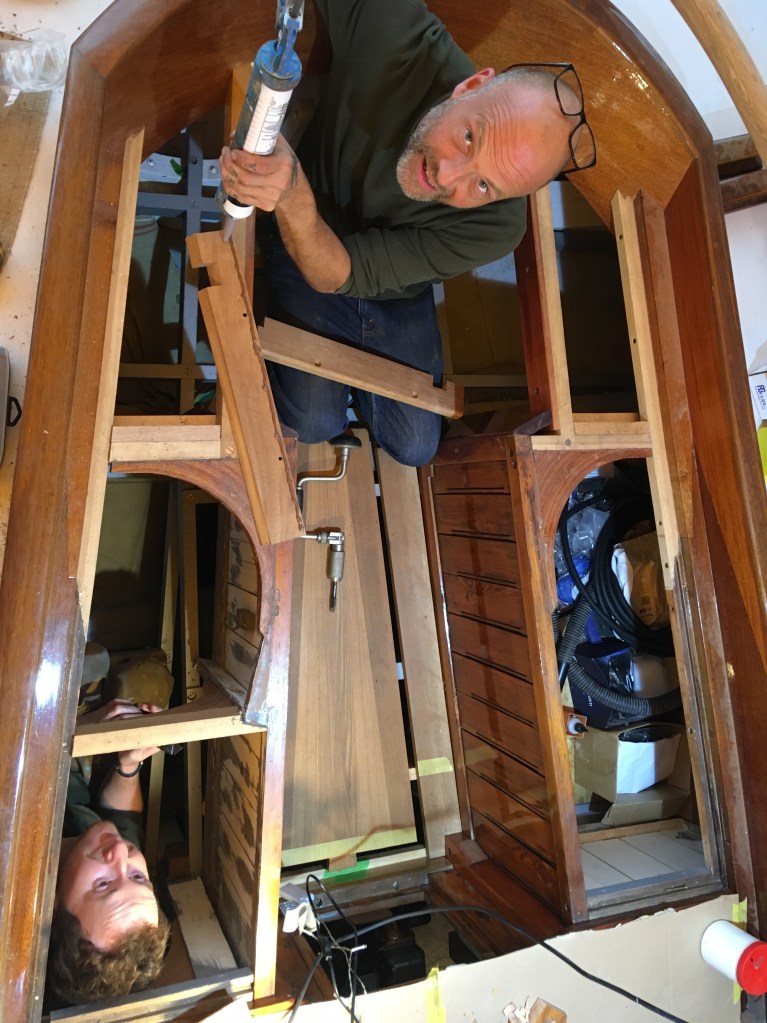
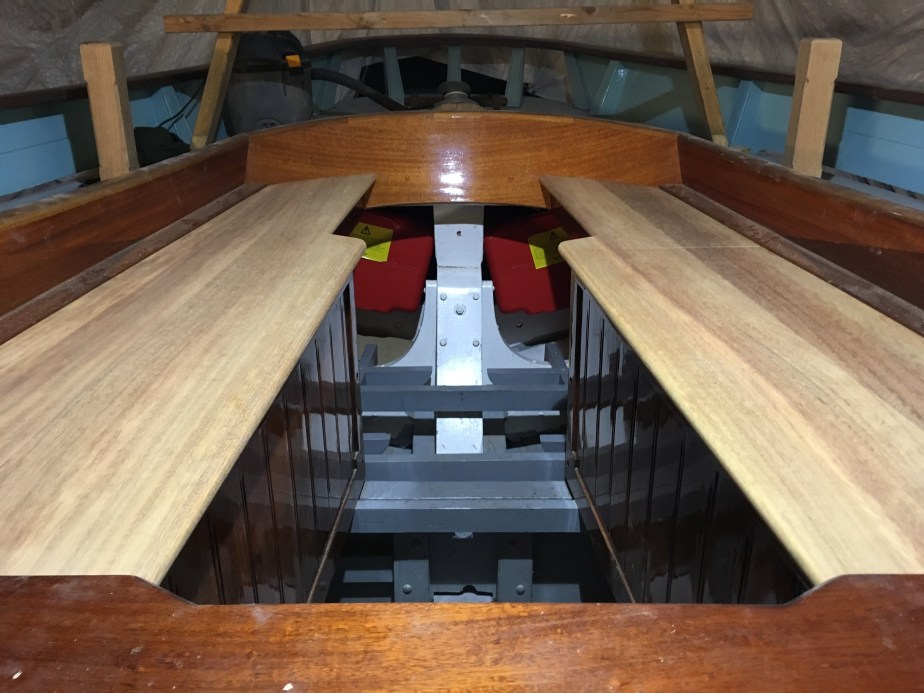
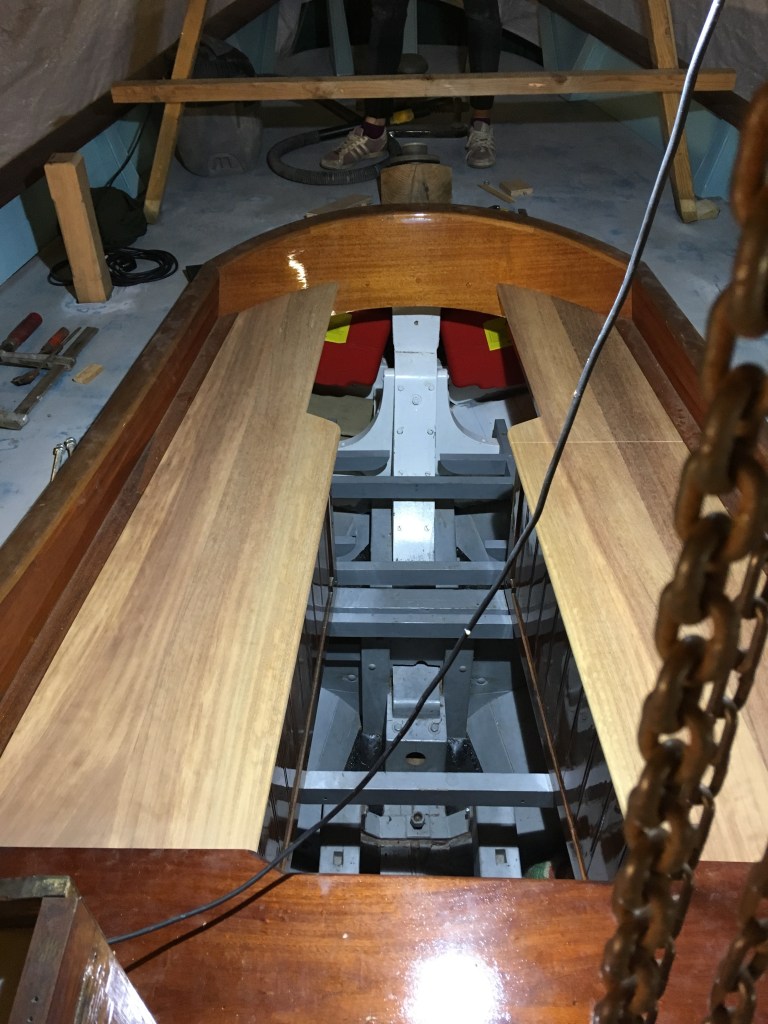
Goodness it all looks clean and simple when it’s done. But with something like three weeks before the hoped for launch date, we all tried to squeeze into the cockpit at the same time. I’d tried my best to avoid this eventuality but it happened anyway. Luckily everyone worked as such a fantastic team which really helped. I’m the bald one with newly acquired glasses, in case you’re wondering. Soon we were all working on lodging and bracing knees, a pilot berth sole from tapered boards, cockpit soles, seats and locker sides AND the engine and associated engineering install just forward of all this, practically working on top of each other. As you can see in the last pic, and as a clue to what comes next, we got it done just in time and were really happy with the results.
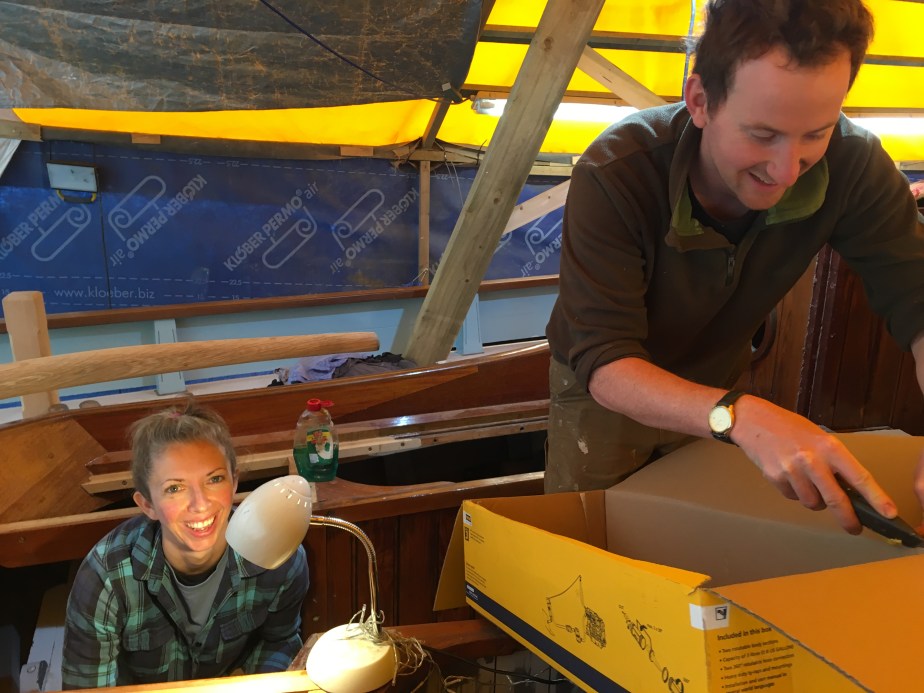
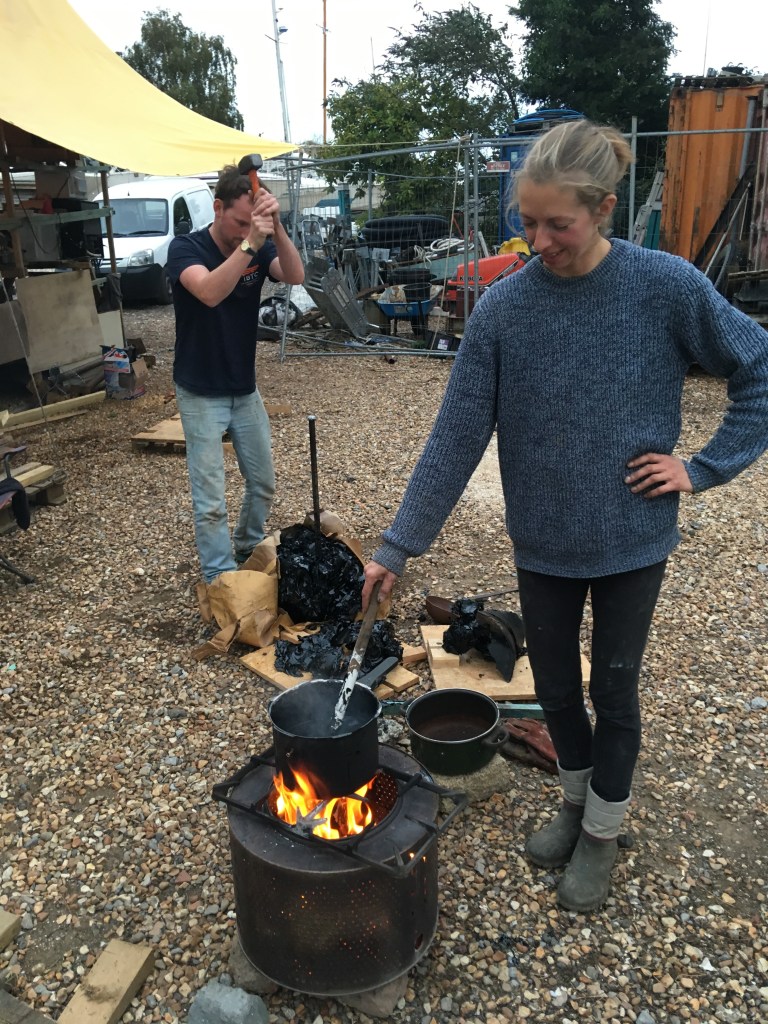
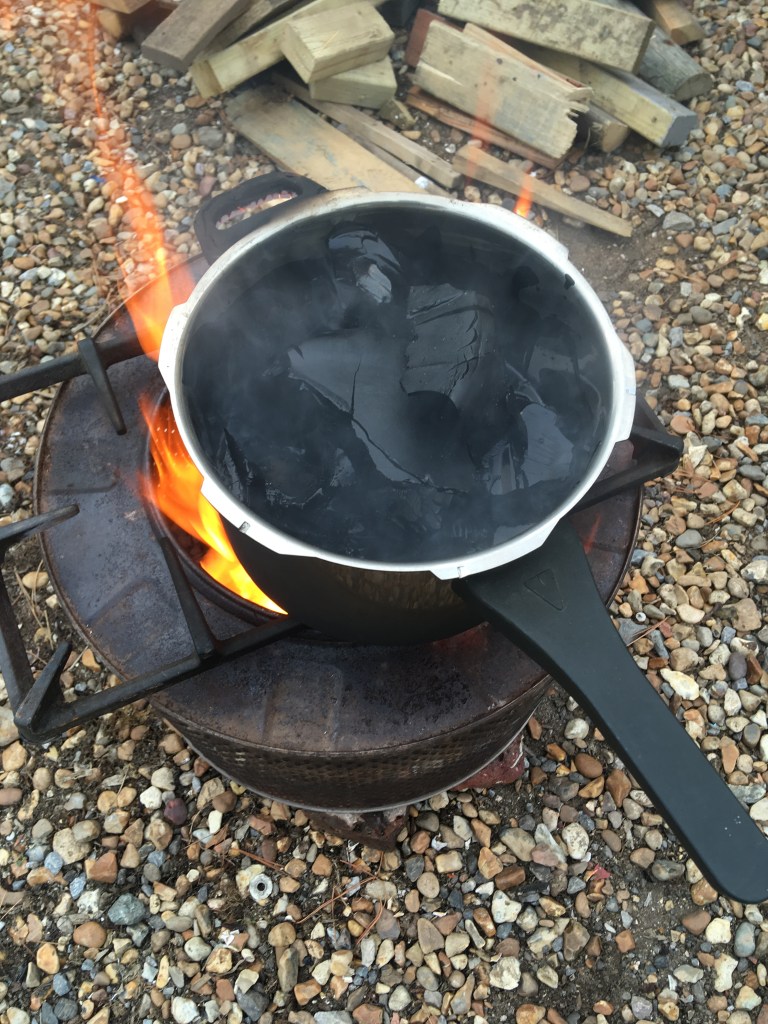
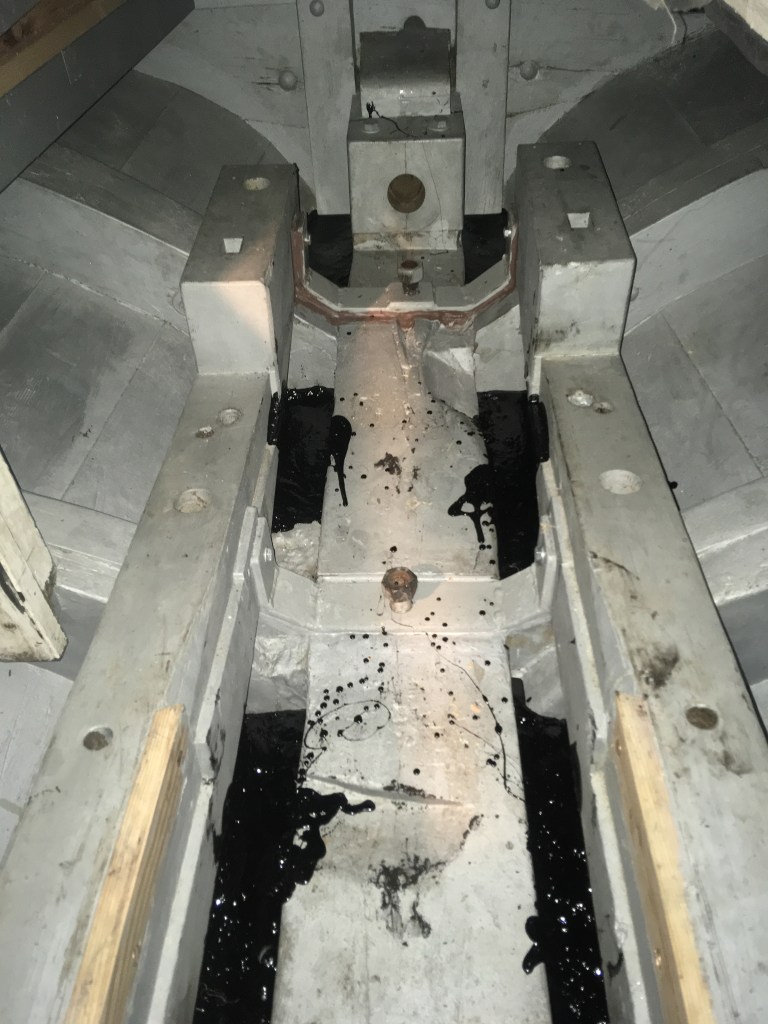
Oh and in amongst that lot I took it into my head to belatedly fill a bunch of awkward voids both aft and forward with pitch. So here is a glimpse of what a load of exhausted boatbuilders do after work when they’re up against it. I am so grateful to and proud of these two, their support, dedication and stamina was so inspiring and encouraging.
You can tell when one of my projects is getting close to launch because the photographic record gets a bit patchy. I think it’s because I’m too busy running around getting everything done to remember to take pictures.
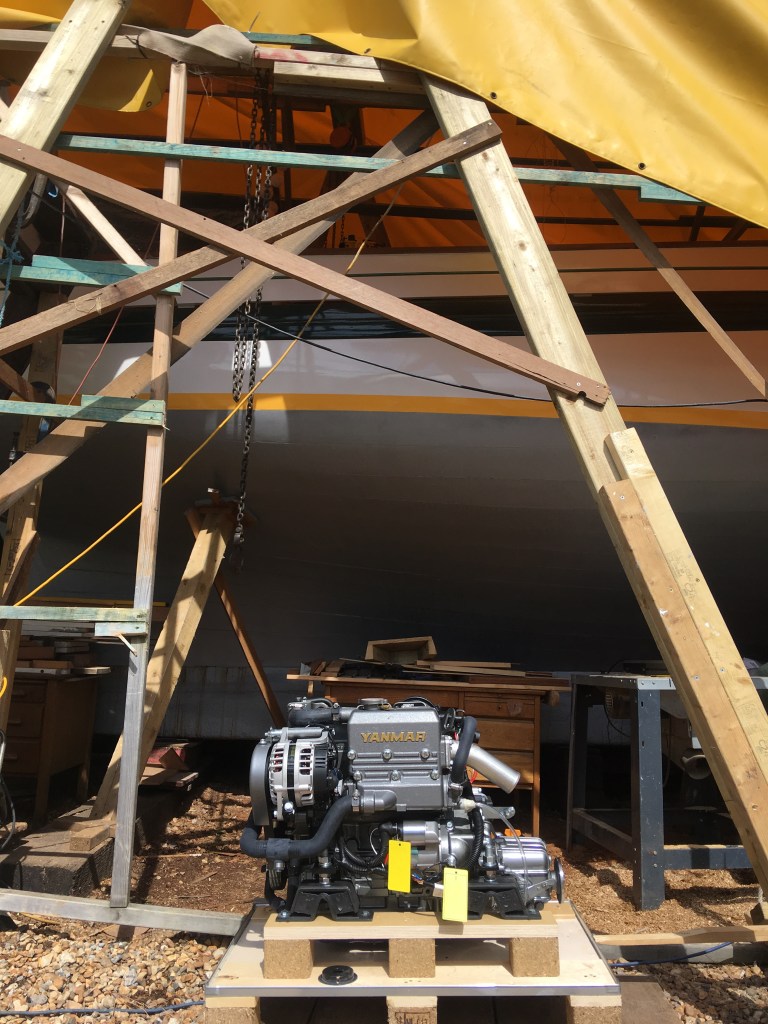
We installed Planta’s (brand) new engine without any real fuss. here it is waiting for us to lift it in.
More photographs hopefully soon.
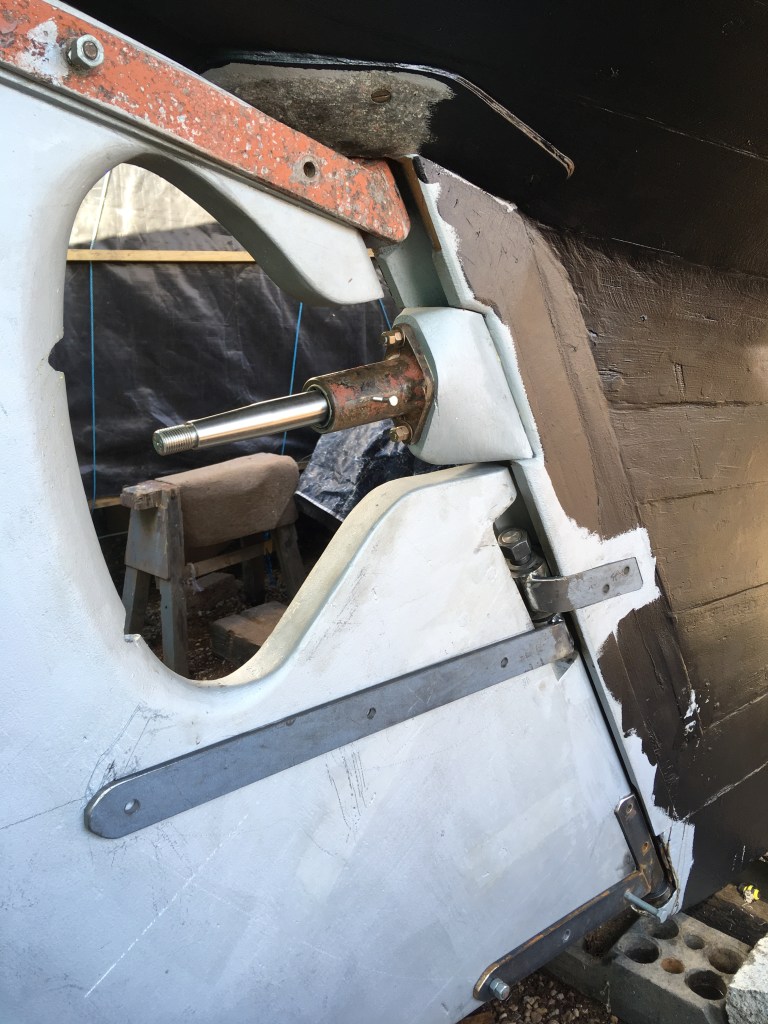
The vessel’s rudder needed completely new hardware, and in a team effort between Nick Gates and co. and myself we got it done. Nick turned all the hinge bosses and I fabricated the tangs and welded it all together. I really wish I had more pics of this under way because it’s not an everyday job. The finished rudder swings in the breeze, meaning everything has lined up well and we are all really proud of it



 Seb vanden Bogaerde, Boatbuilder and Designer maker. Portfolio.